A strong, balanced upper body is about much more than building bigger muscles or looking good in the mirror. It is the foundation for better posture, improved athletic performance, injury prevention, and making everyday activities feel easier and more comfortable.
Whether you're carrying groceries, lifting your child, pushing a heavy door, or performing better in sports, your chest, back, shoulders, and arms work together to produce strength, stability, and efficient movement.
The secret to effective upper body training isn't performing countless exercises. Instead, it's about consistently following a well-structured routine that targets all major upper body muscle groups through a balanced combination of pushing and pulling movements.
An effective upper body program should include exercises such as:
- Incline bench chest press
- Lat pulldown
- Seated cable row
- Overhead dumbbell press
- Bicep curls
- Tricep pushdowns
- Lateral raises
- Face pulls
Together, these exercises develop the chest, back, shoulders, and arms while promoting muscular balance, joint stability, and functional strength.
Why balanced upper body training matters!
Many people naturally gravitate toward exercises they enjoy, often focusing heavily on chest and arm exercises while neglecting the muscles of the back and shoulders.
Over time, these muscular imbalances can lead to:
- Poor posture and rounded shoulders
- Neck and upper back discomfort
- Reduced shoulder mobility
- Increased risk of injury
- Decreased exercise performance
A balanced upper body routine ensures that:
- Both front and back of the body develop equally.
- Creating better movement mechanics.
- Improved posture
- Increased functional strength
- Better athletic performance
- Higher calorie expenditure
- Reduced risk of injury
It's not just about appearance and it goes far beyond aesthetics.
Strong shoulders help maintain proper alignment and reduce stress on the neck and spine. A well-developed back supports posture and spinal health, while balanced arm strength improves overall functionality and movement efficiency.
Why Upper Body Training Often Feels Overwhelming
Upper body training can feel overwhelming because the upper body is designed for movement versatility rather than stability. The shoulder complex alone can move in multiple directions—pushing, pulling, lifting, rotating, and reaching—giving us an exceptional range of motion. While this freedom of movement is essential for daily life and sports, it can also create confusion for beginners, who often assume they need a different exercise for every individual muscle.
In reality, effective upper body training is built around a few fundamental movement patterns rather than dozens of exercises. Most upper body workouts can be simplified into pushing, pulling, carrying, and rotating movements that train multiple muscles simultaneously and improve the way the body functions as a whole.
Another common issue is the overemphasis on "mirror muscles," particularly the chest, shoulders, and biceps, while neglecting equally important muscles such as the upper and mid-back, rear shoulders, and rotator cuff. These muscles play a critical role in stabilizing the shoulder joint and maintaining proper posture.
From a biomechanical perspective, the shoulder is one of the most mobile joints in the body but also one of the least inherently stable. Stability is largely provided by the surrounding muscles rather than the bones themselves. When pressing exercises consistently outweigh pulling exercises, muscular imbalances can develop over time, potentially contributing to rounded shoulders, reduced shoulder mobility, and discomfort during everyday movements or exercise.
Lack of measurable progress is often not a lack of effort—it is usually the result of a fragmented approach that lacks structure and progression. A well-designed upper body workout treats the body as an interconnected system rather than a collection of separate muscles. By balancing pushing and pulling movements, strengthening both the front and back of the body, and progressively challenging the muscles over time, you create a more efficient, resilient, and sustainable approach to upper body training.
Why Are Compound and Structural Movements the Foundation of Upper Body Training?
Compound and structural movements form the foundation of effective upper body training because they involve multiple joints and muscle groups working together. Rather than training one muscle in isolation, these exercises teach the body to produce force, stabilize the joints, and coordinate movement efficiently.
From a physiological perspective, compound upper body exercises recruit more muscle mass simultaneously, allowing you to lift heavier loads, stimulate greater strength adaptations, and expend more energy during each session. This makes them highly effective for building muscle, improving performance, and supporting body composition goals.
A balanced upper body training routine should be built around four fundamental movement patterns:
- Vertical Push: Pressing weight overhead
- Horizontal Push: Pressing weight away from the body
- Vertical Pull: Pulling weight downward
- Horizontal Pull: Pulling weight toward the body
Most upper body exercises can be organized into these categories, and ensuring all four movement patterns are trained regularly helps develop balanced strength, improve posture, and maintain healthy shoulder function.
In addition to building strength and muscle, compound upper body exercises improve shoulder stability, scapular control, posture, and movement efficiency. Since the shoulder is one of the most mobile joints in the body, it relies heavily on the surrounding muscles for stability. Developing balanced pushing and pulling strength helps create a stronger, more resilient upper body that performs better both inside and outside the gym.
From a programming perspective, many people benefit from slightly more pulling than pushing exercises. Modern lifestyles often involve prolonged sitting, computer work, and activities that encourage rounded shoulders and forward head posture. Additional pulling exercises help strengthen the muscles responsible for retracting and stabilizing the shoulder blades, supporting better posture and long-term shoulder health.
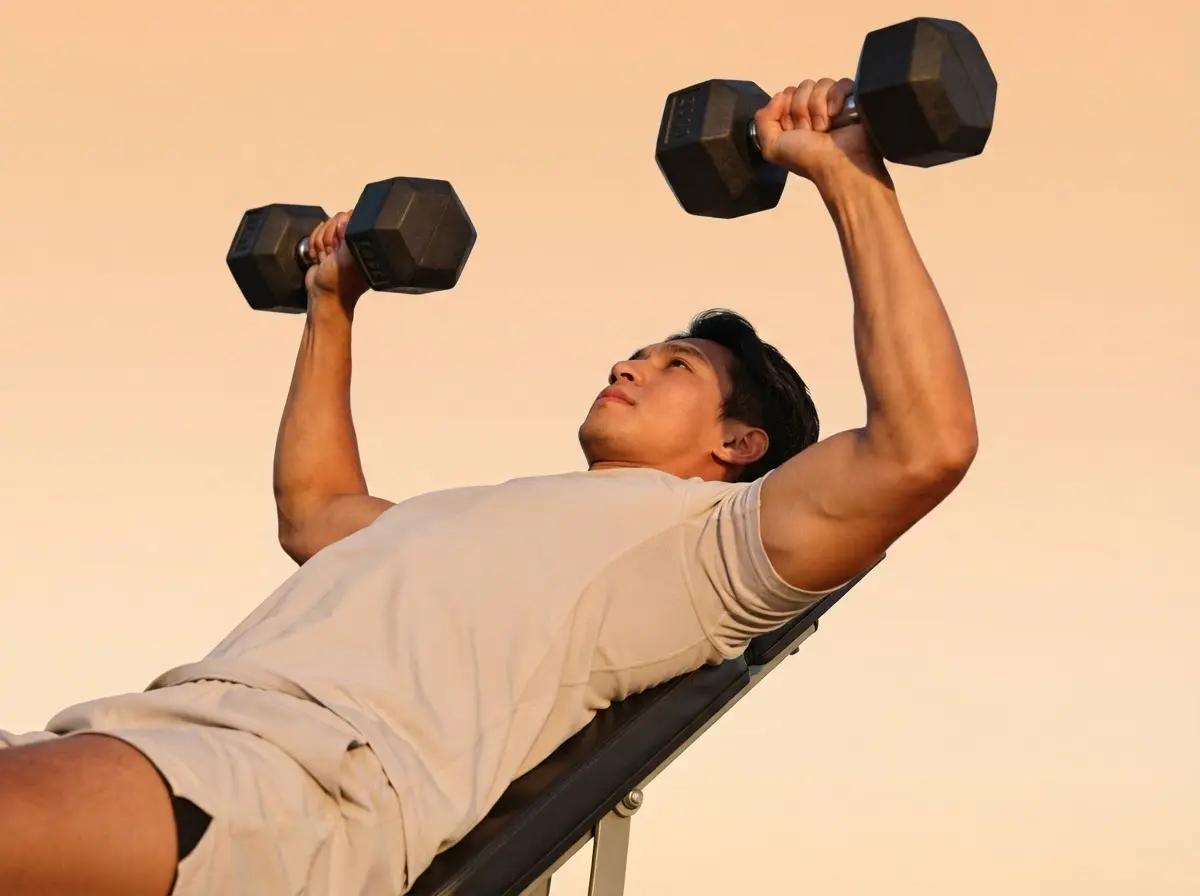
1. The Incline Dumbbell Chest Press (Horizontal Push)
How to Do It: Set an adjustable bench to approximately 30–45 degrees. Sit with your back fully supported against the bench and hold the dumbbells at chest level. Position your elbows slightly below shoulder height at approximately a 45-degree angle from your torso.
Press the dumbbells upward and slightly inward until your arms are nearly straight. Slowly lower the weights back to the starting position while maintaining control throughout the movement.
You know your form is correct when:
- Your shoulders remain gently pulled back and down against the bench.
- Your wrists stay stacked directly above your elbows.
- Your feet remain firmly planted on the floor.
- The movement feels smooth and controlled without bouncing.
- You feel the exercise primarily in your upper chest and front shoulders.
Why It Works: The incline dumbbell chest press primarily targets the upper portion of the chest, known as the clavicular head of the pectoralis major, while also recruiting the front shoulders and triceps.
The inclined angle often feels more comfortable on the shoulders than flat pressing variations because it places the shoulder joint in a slightly more favorable position. Dumbbells also allow each arm to move independently, accommodating natural differences in mobility and reducing unnecessary joint stress.
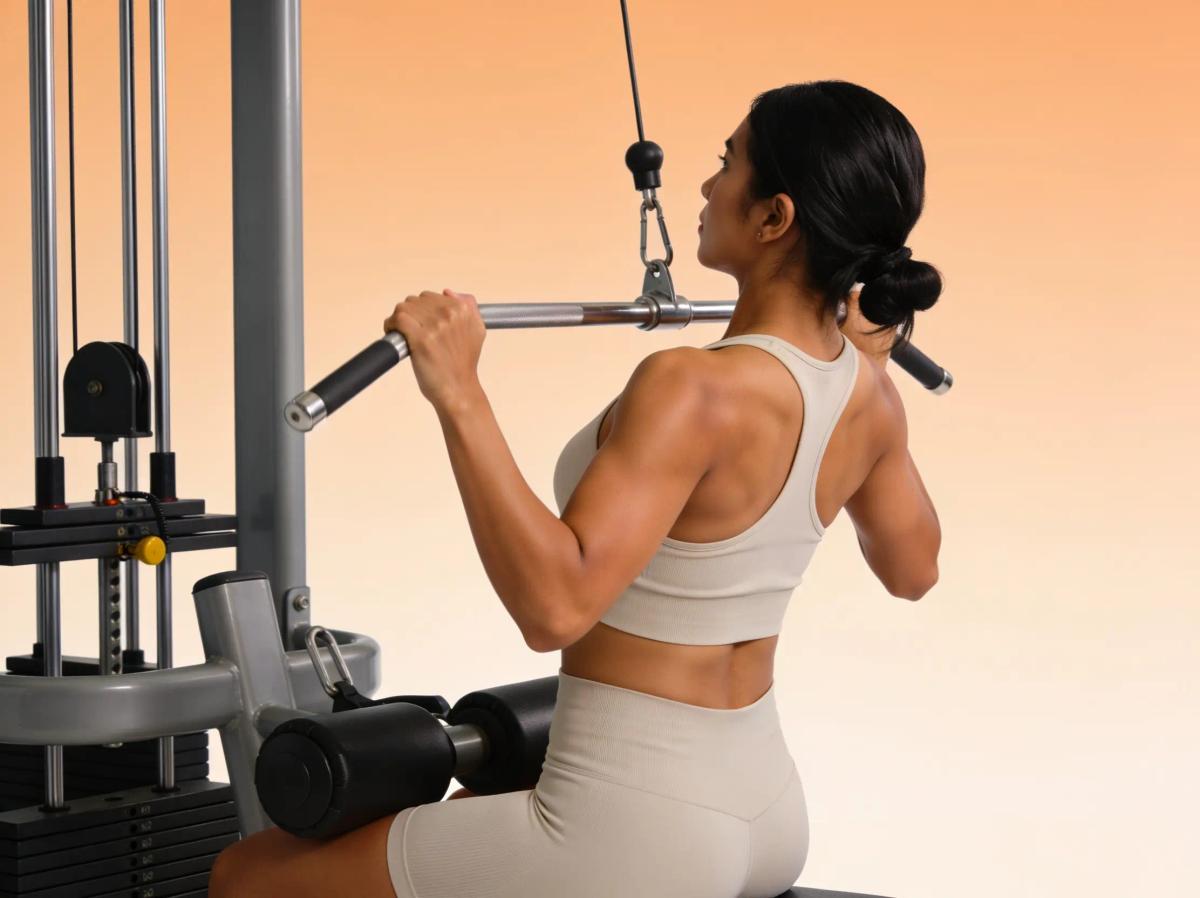
2. The Lat Pulldown (Vertical Pull):
How to Do It: Secure your thighs under the machine pads and grip the bar slightly wider than shoulder-width apart using an overhand grip.
Begin by gently drawing your shoulders down and back. Pull the bar toward your upper chest by driving your elbows downward and slightly backward. Slowly return the bar to the starting position while maintaining control.
You know your form is correct when:
- Your torso remains mostly upright with minimal movement.
- Your shoulders stay away from your ears.
- Your elbows move down toward your sides.
- You feel the exercise primarily in your back rather than exclusively in your arms.
Why It Works: The lat pulldown is one of the most effective vertical pulling exercises for developing the latissimus dorsi—the large muscles responsible for back width and shoulder stability.
It also helps develop the strength and movement control required for more advanced pulling exercises such as pull-ups.
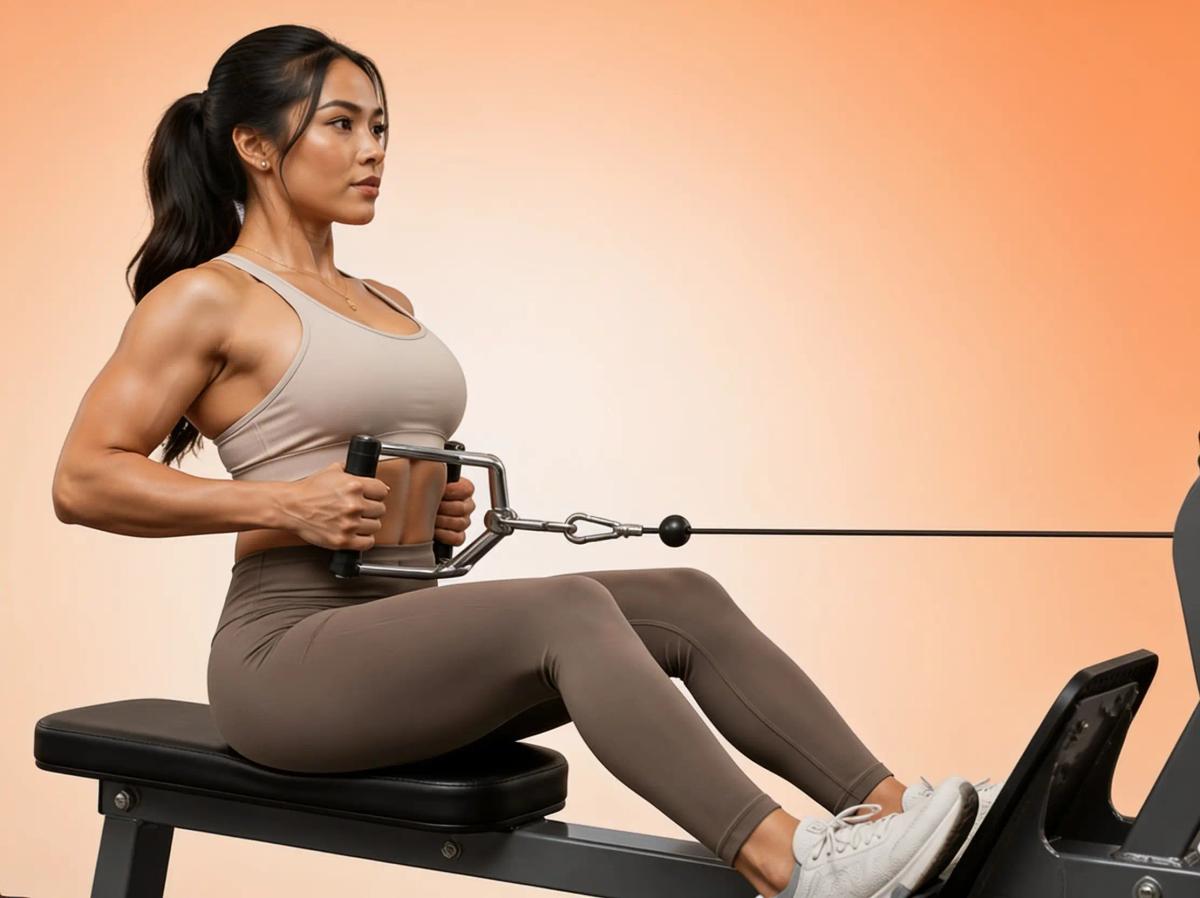
3. The Seated Cable Row (Horizontal Pull):
How to Do It: Sit tall with your feet on the platform, knees slightly bent, and your spine in a neutral position.
Initiate the movement by gently drawing your shoulder blades together. Then pull the handle toward your lower ribcage or abdomen while keeping your elbows close to your body. Slowly extend your arms back to the starting position.
You know your form is correct when:
- Your torso remains stable without excessive swinging.
- Your shoulders stay down and back.
- Your elbows remain relatively close to your sides.
- You feel a strong contraction across your mid-back.
Why It Works: The seated cable row strengthens the rhomboids, middle trapezius, rear shoulders, and lats.
These muscles play a critical role in posture by helping maintain proper shoulder positioning and counteracting the rounded posture commonly associated with prolonged sitting and desk work.
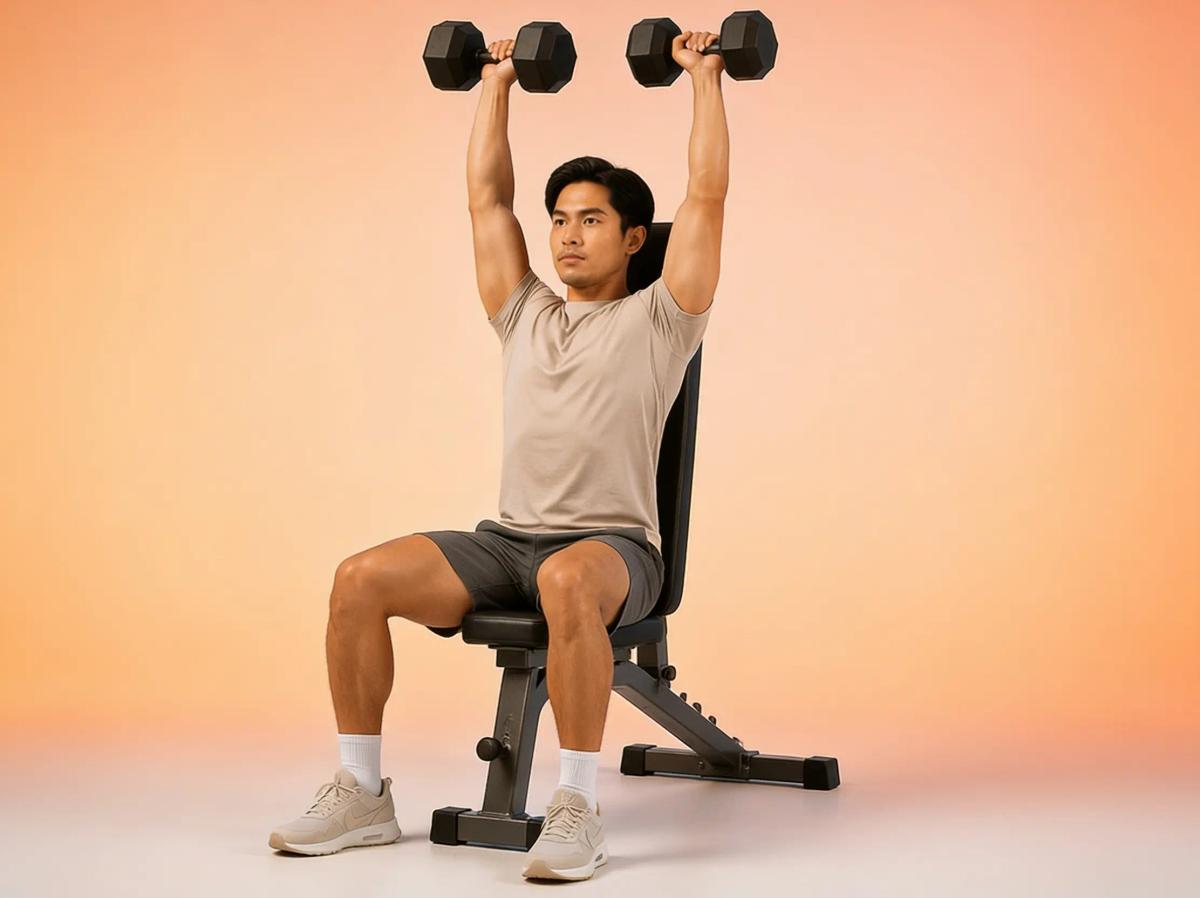
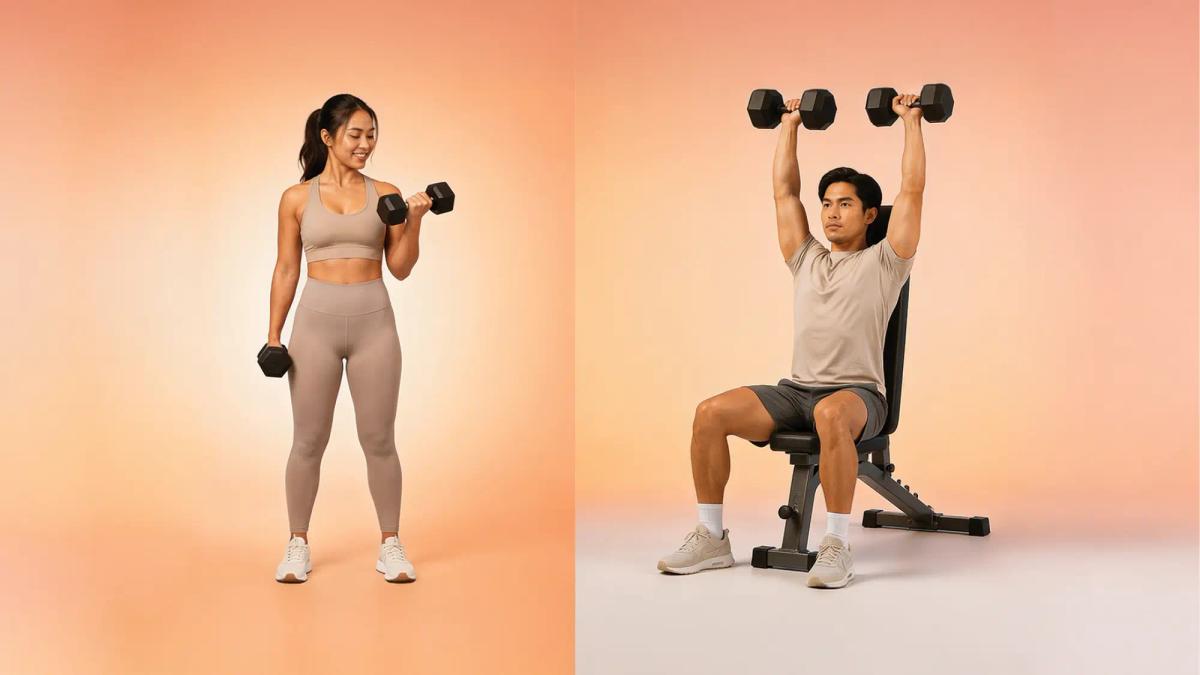
4. The Overhead Dumbbell Press (Vertical Push):
How to Do It: Sit on a bench set to approximately 90 degrees and brace your core.
Hold the dumbbells at shoulder height with your palms facing forward or slightly inward if more comfortable. Press the weights overhead until your arms are nearly straight, then lower them slowly back to shoulder level.
You know your form is correct when:
- Your spine remains neutral without excessive arching.
- Your head stays in line with your body.
- Both arms move at a similar pace.
- Your wrists remain stacked over your elbows.
Why It Works: The overhead dumbbell press develops strength in the shoulders, triceps, and upper chest while also challenging core stability.
Using dumbbells instead of a fixed bar allows each arm to move through its own natural path, which often feels more comfortable on the shoulder joints and may reduce unnecessary stress on the rotator cuff structures.
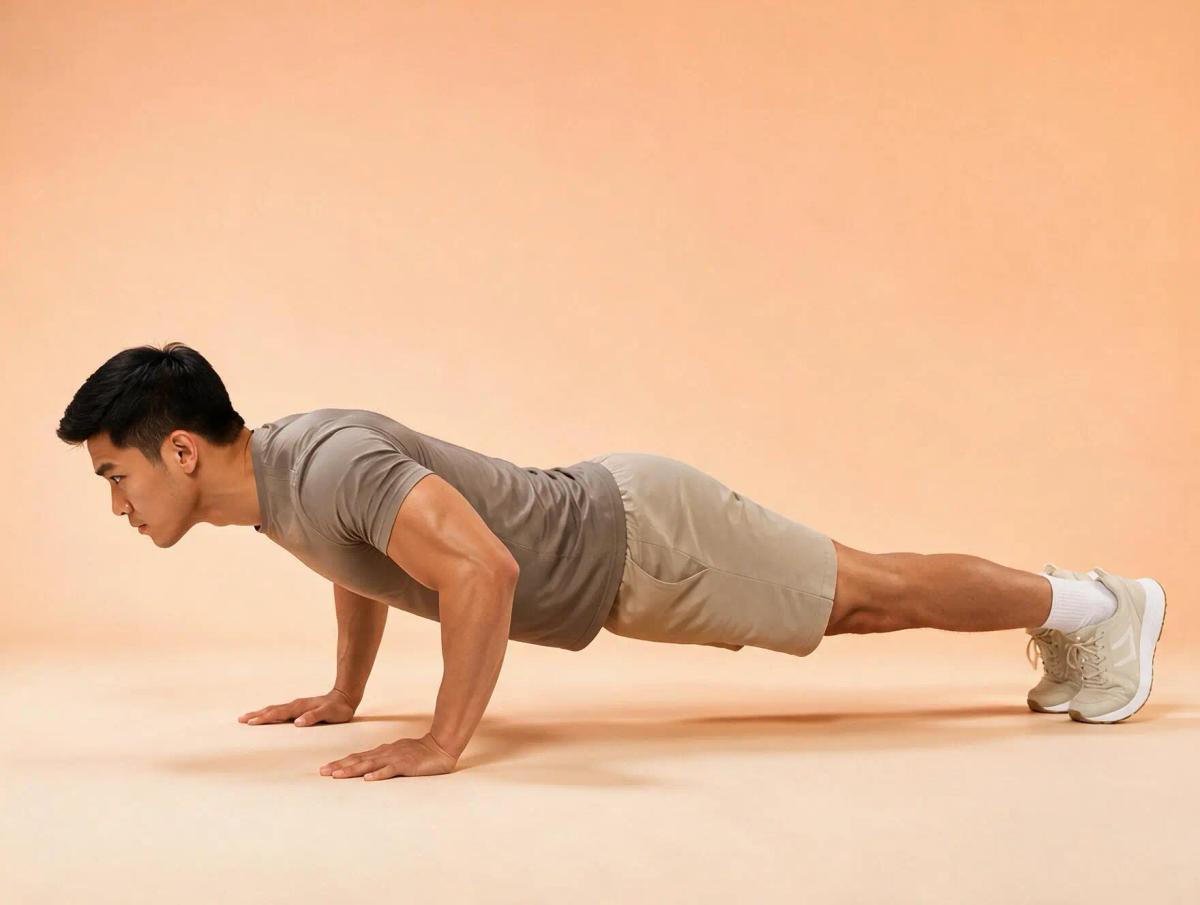
5. The Push-Up (Structural Push):
How to Do It: Start in a high plank position with your hands placed slightly wider than shoulder-width apart and your body forming a straight line from your head to your heels.
Lower your chest toward the floor by bending your elbows to approximately 45 degrees from your body. Press through your palms to return to the starting position.
You know your form is correct when:
- Your body remains in a straight line throughout the movement.
- Your core stays braced.
- Your hips neither sag nor rise excessively.
- Your elbows track at approximately 45 degrees from your torso.
- You feel the exercise in your chest, shoulders, triceps, and core.
Why It Works: The push-up is one of the most functional upper body exercises because it combines upper body pressing strength with core stability and shoulder control.
Unlike machine-based pressing exercises, push-ups require the shoulder blades to move naturally around the ribcage, helping improve scapular mechanics and overall shoulder function.
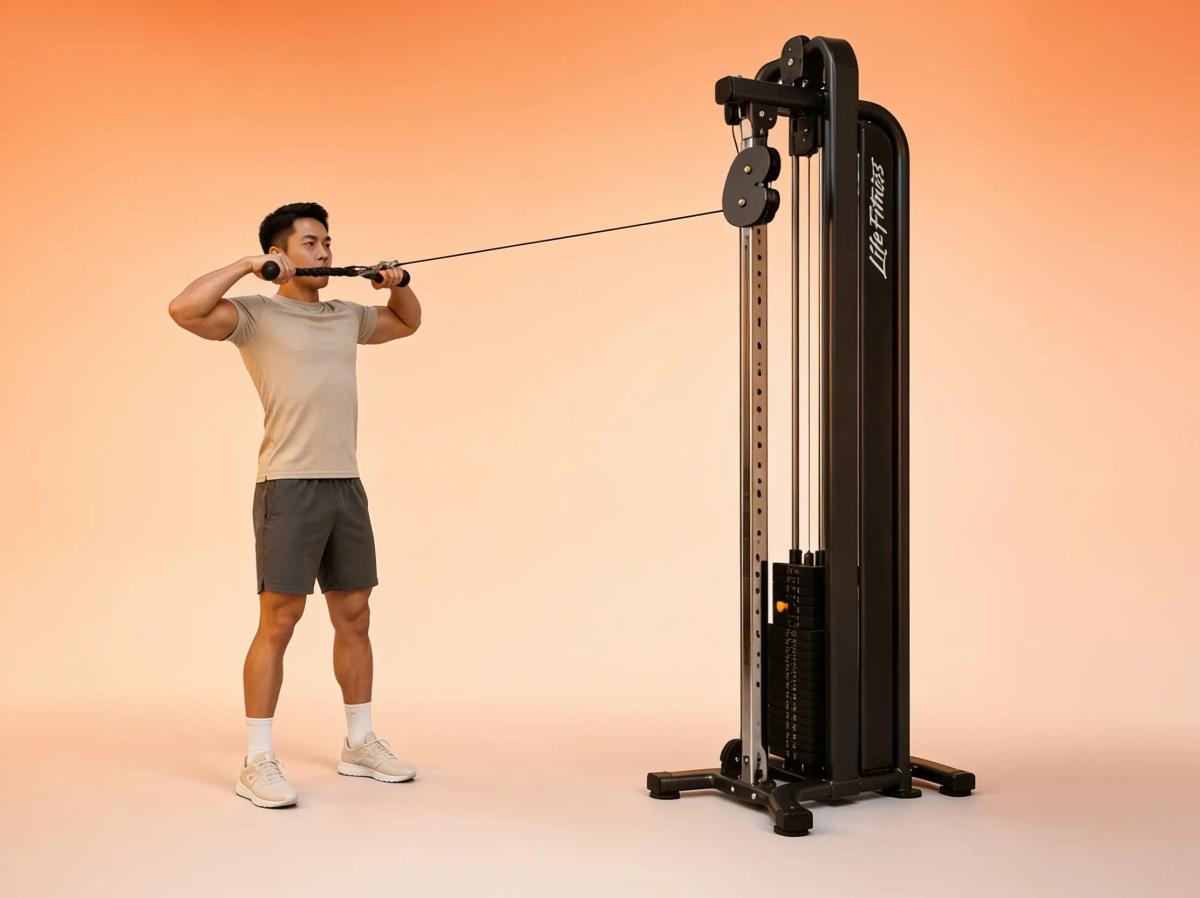
6. The Face Pull (Structural Pull):
How to Do It: Set a cable pulley approximately at upper-chest or face height.
Grip the rope attachment and step back until the cable is taut. Pull the rope toward your face by driving your elbows outward and allowing your hands to separate near your ears.
Slowly return to the starting position.
You know your form is correct when:
- Your elbows stay at or slightly below shoulder height.
- Your torso remains upright.
- Your shoulders stay down and relaxed.
- You feel the exercise in your rear shoulders and upper back.
Why It Works: The face pull strengthens the rear deltoids, rotator cuff muscles, and upper-back stabilizers.
Because modern lifestyles and training programs often emphasize pressing movements and prolonged sitting, the face pull helps restore balance by strengthening muscles responsible for external rotation and proper shoulder positioning.
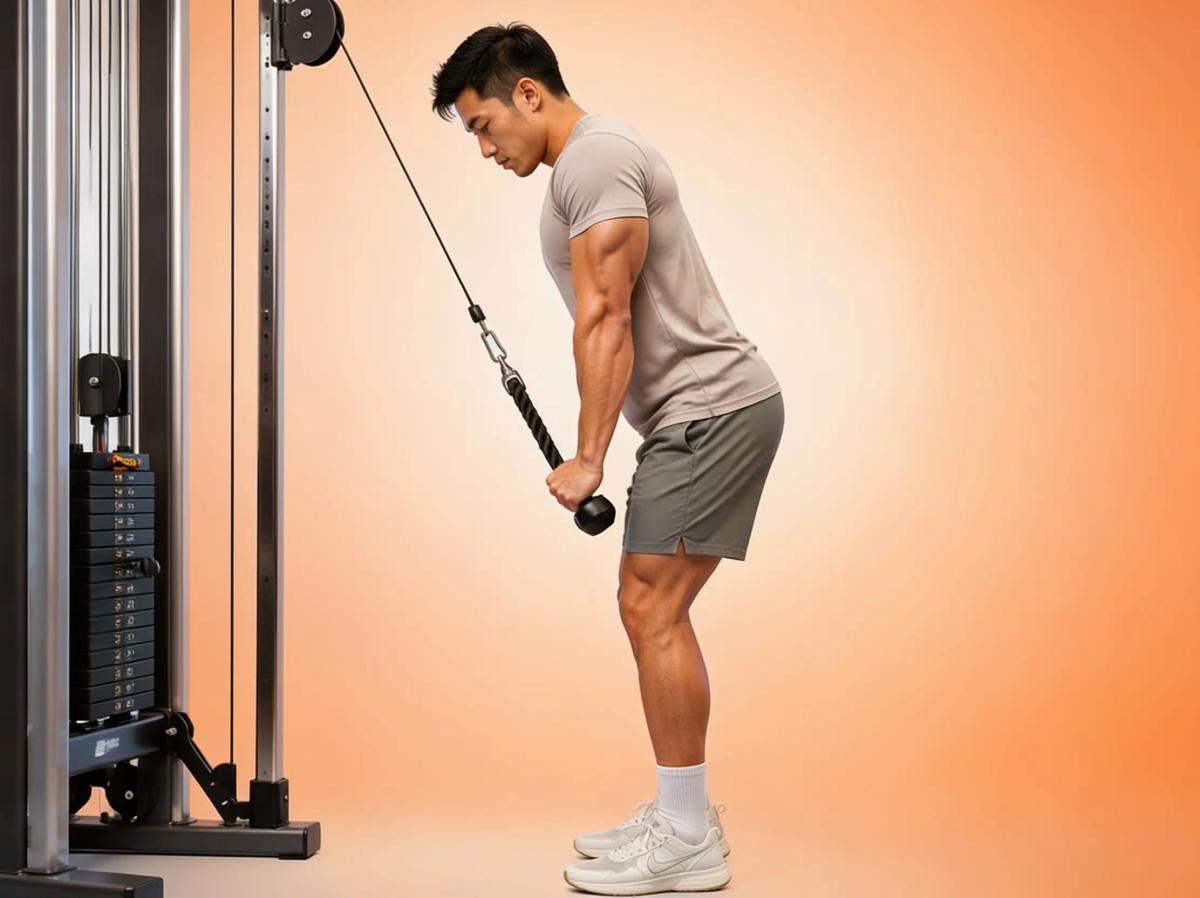
7. The Tricep Pushdown:
How to Do It: Attach a rope or straight bar to a high cable pulley.
Keep your elbows close to your sides and extend your arms downward until they are nearly straight. Slowly return to the starting position while maintaining control.
You know your form is correct when:
- Your upper arms remain relatively stationary.
- Your elbows stay close to your body.
- Your wrists remain neutral.
- You feel the exercise primarily in the back of your upper arms.
Why It Works: The triceps account for approximately two-thirds of the upper arm's muscle mass.
Strengthening them improves pressing performance and contributes significantly to overall arm size and strength. The cable machine also provides continuous tension throughout the movement, making it an efficient exercise for developing the triceps.
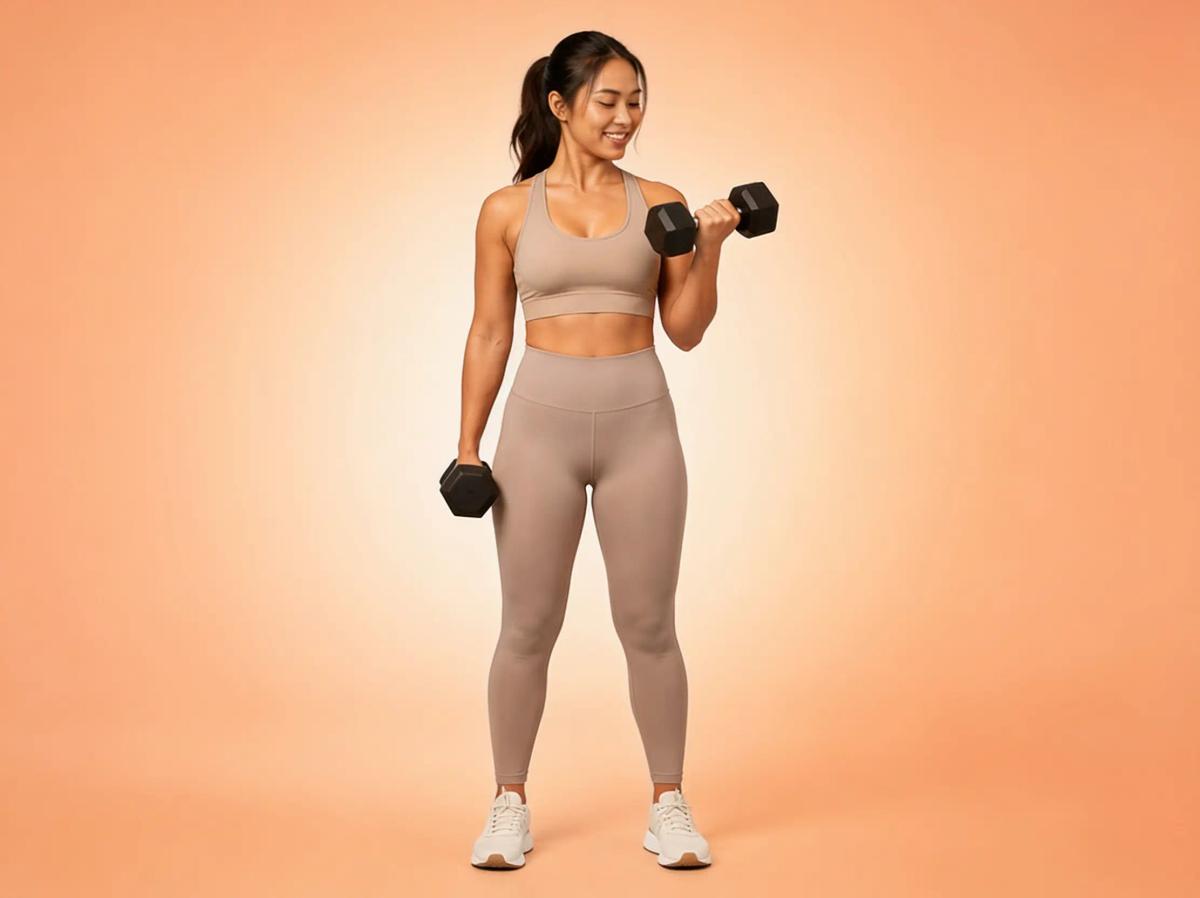
8. The DB Bicep Curl:
How to Do It: Stand tall while holding dumbbells at your sides with your palms facing forward.
Keeping your elbows close to your torso, curl the weights toward your shoulders. Pause briefly and slowly lower them back to the starting position.
You know your form is correct when:
- Your elbows remain close to your body.
- Your torso stays upright without swinging.
- Your wrists remain neutral.
- You feel the exercise primarily in the front of your upper arms.
Why It Works: The bicep curl strengthens the elbow flexors, particularly the biceps brachii and brachialis.
Using dumbbells allows each arm to work independently, making it easier to identify and correct side-to-side strength differences while improving overall arm strength and muscle development.
The Importance of Scapular Stability
Shoulder health depends not only on the larger muscles of the chest and back but also on the ability of the shoulder blades to move and stabilize properly.
Simple exercises such as face pulls, scapular push-ups, and dead hangs can improve scapular control, shoulder mechanics, and overall movement quality over time.
Notice that this routine includes slightly more pulling than pushing exercises. This is intentional. Because modern lifestyles and training habits often overemphasize the chest and front shoulders, increasing pulling volume can help restore muscular balance, improve posture, and support long-term shoulder health.
Ultimately, effective upper body training isn't about performing dozens of exercises. It's about mastering fundamental movement patterns, training the body as an integrated system, and developing balanced strength that improves the way you move, perform, and feel every day.
How the Gym Environment Facilitates Upper Body Progress
Building strength and muscle requires more than simply exercising harder. It depends on applying the right amount of challenge consistently over time, a principle known as progressive overload.
Progressive overload refers to gradually increasing the demands placed on the body so it has a reason to adapt. This can involve increasing the weight lifted, performing more repetitions, improving exercise technique, increasing time under tension, or completing the same workout with better control and less fatigue.
A commercial gym environment makes this process easier and more precise.
Most gyms provide a wide range of machines, dumbbells, cables, and free weights that allow for small, manageable increases in resistance. Being able to progress gradually, for example, increasing a weight by 1–2 kilograms rather than making large jumps, helps the body adapt safely while maintaining good movement quality.
This gradual progression is one of the fundamental mechanisms behind long-term improvements in strength, muscle development, and physical performance.
Equally important, gyms offer exercise variety and equipment options that allow you to continue progressing even when certain movements become challenging or uncomfortable. For example, if an overhead press bothers your shoulders, a machine press, landmine press, or incline press may allow you to continue training effectively while respecting your current capabilities.
Attempting to make large jumps in weight or relying on limited equipment can sometimes encourage compensatory movement patterns, where other muscles and joints take over to complete the exercise. Over time, this can compromise technique and make progression less efficient.
A well-equipped gym environment helps remove many of these barriers by providing:
- Progressive loading options: Small increases in resistance that support gradual adaptation.
- Exercise variety: Multiple ways to train the same movement patterns and muscle groups.
- Training flexibility: Equipment that accommodates different mobility levels, experience levels, and physical limitations.
- Consistency: A dedicated environment that minimizes distractions and makes it easier to follow a structured program.
Beyond the equipment itself, gyms also provide an environment that supports learning and long-term adherence. Having access to knowledgeable coaches, structured classes, and a community of people pursuing similar goals can make training feel more approachable and sustainable.
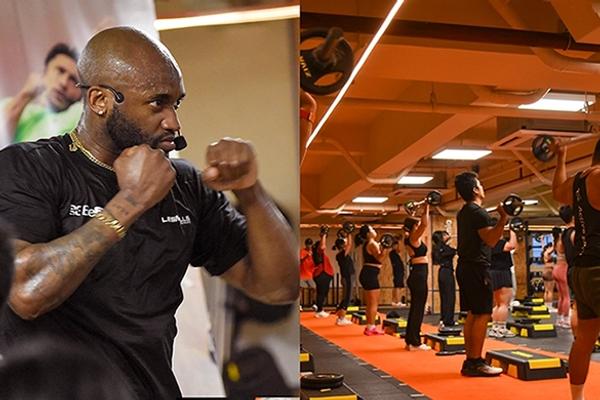
At BeFit, members can access a variety of expert-led classes, including BodyPump and Functional training, that provide structured programming and coaching guidance. These sessions offer opportunities to practice fundamental movement patterns, develop strength progressively, and build confidence in a supportive training environment.
Ultimately, the value of a gym extends beyond the equipment. It provides the structure, progression, and support that make it easier to train consistently, and consistency remains the single most important factor in long-term upper body progress.
Frequently Asked Questions About Upper Body Training
Can I do an upper body workout every day?
Training the same upper body muscle groups every day is not recommended and counterproductive to muscle growth. Muscles require 48 to 72 hours of recovery time to repair micro-tears and synthesize new muscle protein after a training session.
The most effective upper body training approach for most people is to train the upper body two to three times per week, with at least one full rest day between sessions targeting the same muscle groups. This frequency provides sufficient stimulus for strength and muscle development while allowing adequate recovery to avoid overuse injuries and accumulated fatigue.
Why is the incline bench chest press emphasized over other chest moves?
The incline bench chest press is prioritized in most upper body training programs because it preferentially develops the clavicular head of the pectoralis major, specifically the upper chest, while placing the shoulder joint in a mechanically safer pressing angle than a flat bench.
The incline angle reduces the degree of horizontal shoulder abduction required during the press, decreasing the risk of anterior shoulder impingement that is commonly associated with flat bench pressing. Many fitness professionals recommend the incline bench chest press as the primary pushing movement for beginners and individuals with a history of shoulder discomfort.
How much weight should I use for upper body training?
For most upper body weight exercises, select a load that allows you to complete 10 to 12 repetitions with technically correct form throughout every repetition.
The working muscles should feel challenged by the final two repetitions, but form should not break down and momentum should not be used to complete the set. Once you can complete 12 controlled repetitions with full range of motion, increase the load by the smallest increment available, typically 1 kg to 2 kg in a commercial gym. This principle of progressive overload is the primary driver of long-term strength development in upper body training.
What is the most effective way to improve upper body strength?
The most effective method for improving upper body strength is the consistent and systematic application of progressive overload across a structured set of compound and isolation exercises.
Progressive overload means incrementally increasing either the load lifted, the number of repetitions completed, or the quality of movement control in each training session. Tracking these variables in a training log transforms your upper body workout from an inconsistent effort into a predictable, evidence-based system for strength development. Research in exercise science consistently shows that trainees who track their sessions and apply progressive overload outperform those who train without structure across both short-term and long-term timeframes.