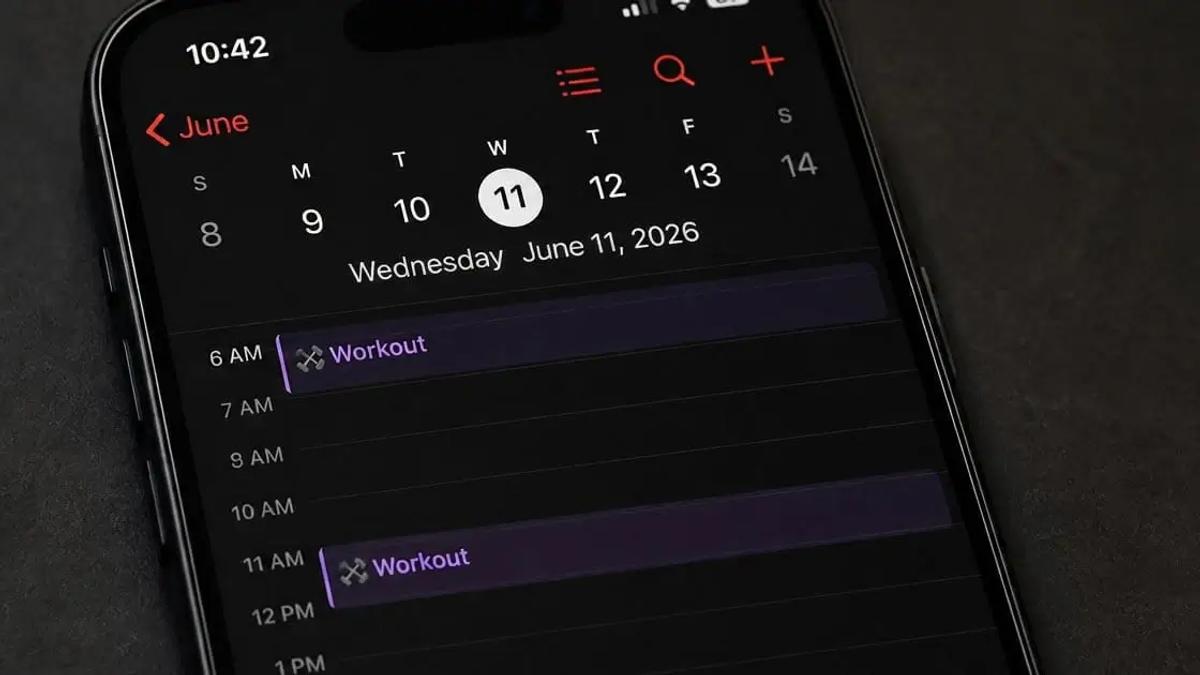
People usually stop exercising for practical reasons. Schedules change. Work runs late. Evenings disappear faster than expected. Over time, exercise loses its place during the week.
When that happens, restarting often feels harder than stopping. Not because motivation is gone, but because the routine no longer fits the way life actually runs. Working out consistency is not about trying harder; it is about building a system that can survive ordinary, busy weeks.
Why workout routines tend to fall apart
Many fitness routines are built around ideal conditions: fixed time slots, high energy, and predictable schedules. That works briefly, but it rarely holds up long-term.
When a routine depends on:
- Specific days and times
- Long sessions
- Consistently high effort
Any disruption is enough to break it. This is why the most effective workout plan isn't the most intense one—it’s the one that is flexible enough to keep you moving even when life gets chaotic.
Start by deciding where exercise belongs
Instead of thinking about how to start exercising, it helps to decide where it realistically fits.
That means looking at the week as it already exists:
- When leaving the house is already part of the routine: Stopping by the gym on your commute.
- When time is usually available: Even 30 minutes of cardio or strength training counts.
- When exercise is least likely to compete with work: Often early mornings or midday.
When exercise is attached to an existing rhythm — before the day begins, after work ends, or alongside a regular errand — it becomes easier to repeat.
Why simpler plans last longer
Ambitious plans often fail because they rely on perfect conditions. To maintain working out consistency, focus on a plan built around:
- Three sessions per week.
- A mix of weightlifting and cardio equipment for balanced health.
- Joining group fitness classes to remove the "what should I do today?" guesswork.
Simplicity reduces decision-making. Less time is spent negotiating whether to go, and more time is spent following a familiar process.
For those who want a completely structured approach to their routine, BeFit personal trainers provide a tailored workout plan that ensures your plan fits your lifestyle.
What the most effective workout plan looks like

The most effective workout plan is defined by consistency and progressive overload, not just variety. In practice, this often looks like:
Predictable Strength Training
Focusing on the same 5–6 compound and foundational movements for a month to see real progress. This allows you to track performance, improve technique, and progressively increase load or reps week after week. This builds confidence and drives measurable physical adaptation (strength, muscle growth, and movement efficiency).
Accessible Cardio
Using machines or classes that you actually enjoy. This could be treadmill intervals, cycling, rowing, or structured group classes. If you like the activity, you are more likely to show up consistently, which is the real driver of fat loss and cardiovascular improvement.
Moderate Effort
Working hard enough to see results, but leaving enough "gas in the tank" to return two days later. This is typically around RPE 6–8, where you challenge your body without burning out or risking injury.
- The goal is sustainability—training that pushes you forward, not breaks you down.
- This is where the right gym environment makes a difference.
At places like BeFit, you have access to structured training zones, professional-grade equipment, and a motivating atmosphere designed to keep you consistent and progressing, without overcomplicating your routine.
Familiarity builds momentum
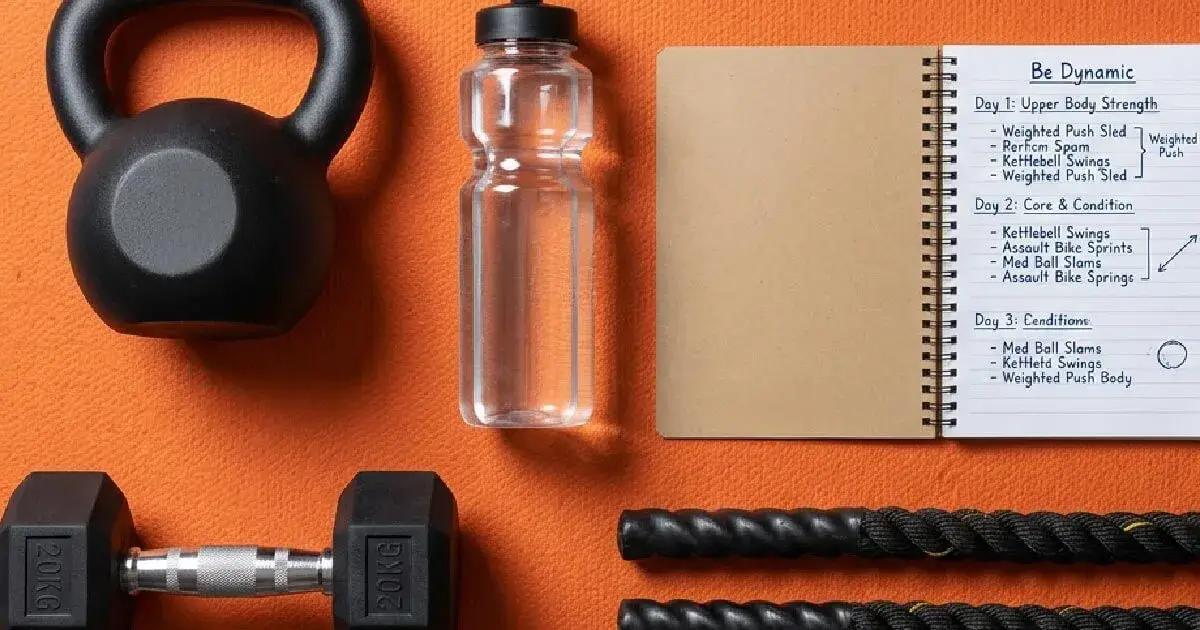
Uncertainty is one of the most common reasons people stop going. When it is unclear what to do, hesitation increases.
Clear, repeatable routines help by:
- Reducing mental effort
- Creating a sense of direction
- Making progress easier to recognize
Over time, familiarity replaces hesitation. Exercise becomes less of a decision and more of a regular activity.
Adjusting for demanding weeks
Energy and availability are rarely consistent. Long workdays, travel, or poor sleep all affect how your training sessions feel. In these high-stress weeks, the goal shifts from breaking records to maintaining the habit.
Prioritizing continuity over intensity prevents the all-or-nothing mentality that often leads to burnout. Using a stable environment like a gym helps you follow through with minimal mental effort, even when your schedule is packed.
How do I make smart adjustments to my workout?"
Consistency doesn't always mean high intensity; it means showing up in a way that respects your current capacity. If you need to scale back without stopping, consider these shifts:
- Reduce sets: Drop from 3 sets to 2 sets per exercise. This maintains the stimulus while significantly shortening the session.
- Lower the load or reps: Keep the same exercises in your program but reduce the weight or the repetition count to manage fatigue.
- Swap intense sessions: Trade high-intensity workouts for steady-state cardio or light classes.
- Focus on movement: Use the time for mobility or recovery-based sessions to improve blood flow and physical readiness.
Starting conservatively pays off
Many people assume early progress requires high intensity. In reality, routines that begin conservatively tend to last longer.
Lower initial demands allow:
- Gradual physical adaptation
- More predictable recovery
- Fewer interruptions due to soreness or fatigue
Intensity can increase later. Consistency needs to be established first.
Early progress is often subtle
The first signs of progress are not always physical.
They often appear as:
- Less hesitation before sessions
- Faster recovery between workouts
- Greater familiarity with the environment
- Fewer extended gaps between visits
These changes indicate that exercise is becoming part of the routine rather than something that requires constant effort to maintain.
The Bottom Line: Achieving Long-Term Working Out Consistency
Exercise becomes consistent when it fits alongside work, personal commitments, and daily routines — not when it competes with them.
The goal is not to do more. It is to remove unnecessary barriers and allow fitness to settle naturally into everyday life. By focusing on a most effective workout plan that prioritizes repeatability over intensity, you turn exercise from a chore into a durable, lifelong habit.
Frequently Asked Questions About Building a Workout Routine
How many times a week should I exercise?
For most people, three sessions per week is the sweet spot. This frequency provides enough stimulus to improve strength, fitness, and energy levels, while still allowing proper recovery. It also fits realistically into a busy lifestyle, making it easier to stay consistent over months, not just weeks.
As your fitness improves, this can naturally progress to 4 sessions per week without overwhelming your schedule.
What is the most effective workout plan for a busy schedule?
The most effective workout plan for someone with limited time is a minimalist approach centered on compound strength training. This means prioritizing high-return exercises that train multiple muscle groups at once.
By focusing on movements like squats, presses, hinges, and rows, you can cover your entire body efficiently in 30–45 minutes without unnecessary volume. The goal is maximum return on time invested—not doing more, but doing what matters most.
This is exactly the type of efficient training environment you’ll find at BeFit, where layouts and equipment are designed to help you move quickly and train effectively without wasting time.
Does missing a week of exercise affect my progress?
Occasional interruptions have very little impact on your long-term physical gains. The primary risk of missing a week is losing your mental momentum. If life gets in the way, don’t try to "make up" for it with an extreme, grueling session; simply return to your baseline routine as soon as possible to keep your working out consistency intact.
Do workouts need to be intense to be effective?
No. In the long run, consistency beats intensity every time. While high-intensity training has its place, it should be used strategically—not as your default approach.
Effective training sits in a moderate zone where you are challenged—but still able to recover and repeat the session consistently. Most sustainable results come from training at an effort level around RPE 6–8, where progress happens without burnout.
The goal is to leave the gym feeling energized rather than exhausted, ensuring you have the mental and physical energy to return for your next session.