After Exercise Can I Take a Bath? Timing Your Post-Workout Recovery

Yes, you can absolutely take a bath or shower after exercise. In fact, a properly timed after exercise shower can become an important part of your recovery routine. The key is not whether you shower, but when and how you do it.
For most people, the ideal approach is to wait 5–10 minutes after finishing a workout, allowing your heart rate and breathing to gradually return closer to their resting levels before stepping into the shower. This short recovery period gives your body time to begin its natural cooling process while reducing the cardiovascular stress that can occur if you expose yourself to very hot or very cold water immediately after intense exercise.
A shower after workout sessions offers benefits that go far beyond simply washing away sweat. It helps regulate body temperature, supports healthy circulation, removes sweat and bacteria from the skin, promotes relaxation, and signals to your nervous system that it's time to transition from exercise mode into recovery mode.
Whether your goal is building muscle, losing weight, improving athletic performance, or simply maintaining good health, incorporating a consistent shower after gym routine can help you recover more comfortably and prepare your body for your next training session.
What Happens to Your Body During Post-Workout Recovery?
When you exercise, your muscles generate heat to produce movement, causing your core body temperature to rise. In response, your heart pumps faster to deliver oxygen and nutrients to working muscles while your sweat glands release moisture to cool the body through evaporation.
Even after your workout ends, your body continues working hard behind the scenes. Your heart rate remains elevated, your muscles begin repairing microscopic training-related damage, and your body starts restoring energy stores. Incorporating an after exercise shower into your recovery routine can help support this process by addressing several important recovery needs.
Regulating Temperature:
A lukewarm shower after workout sessions helps your body return to its normal core temperature gradually without placing unnecessary stress on the cardiovascular system. Unlike jumping straight into very cold water while your heart rate is still elevated, a gradual reduction in body temperature allows your circulation and breathing to normalize more comfortably.
This gentle transition also helps your nervous system shift from an active, exercise-focused state into recovery mode, allowing your body to begin repairing and adapting to your training.
Skin Health:
Sweat itself doesn't cause acne, but leaving sweat, oils, bacteria, and dead skin cells on the skin for prolonged periods can increase the likelihood of clogged pores and irritation.
This is particularly important for athletes who frequently wear tight training clothing, backpacks, or weightlifting belts, as these can contribute to Acne Mechanica, an exercise-related form of skin irritation commonly affecting the back, shoulders, and chest.
Taking a shower after gym sessions soon after training helps remove sweat, bacteria, excess oil, and dirt before they accumulate, promoting healthier skin and reducing the risk of post-workout breakouts.
Circulation:
Alternating between warm and cool water can temporarily stimulate blood circulation through changes in blood vessel diameter.
Warm water encourages vasodilation, allowing blood vessels to widen, while cooler water promotes vasoconstriction, causing them to narrow temporarily. This alternating response may help reduce the sensation of muscle stiffness, support circulation, and improve overall comfort after demanding workouts.
Although lactate is naturally cleared by the body within a relatively short period after exercise, improved circulation may help reduce feelings of fatigue and support the body's overall recovery processes following intense training.
How Long Should You Wait Before Showering After a Workout?
One of the most common questions people ask is, "After exercise can I take a bath immediately?" The answer is yes—but giving your body a few minutes to cool down first is generally the better approach.
For most people, waiting 5–10 minutes before taking an after exercise shower provides the ideal balance between comfort, safety, and recovery. During this short period, your heart rate, breathing, and core body temperature begin returning toward normal levels, allowing your body to transition more smoothly from exercise to recovery.
Rather than standing still, use these few minutes productively by:
- Walking slowly to gradually lower your heart rate.
- Performing gentle stretching or mobility exercises.
- Practicing controlled breathing.
- Rehydrating with water or an electrolyte drink if needed.
These simple habits improve circulation, reduce dizziness after intense exercise, and prepare your body for a more comfortable shower experience.
There is no scientific evidence suggesting you need to wait an hour or more before taking a bath after workout sessions. In fact, delaying your shower for too long may allow sweat, bacteria, and skin oils to remain on the skin, increasing the likelihood of irritation, unpleasant odors, or clogged pores.
The only situation requiring extra caution is immediately after extremely intense exercise or competition. If your heart rate remains very elevated, or you feel lightheaded, allow your body additional time to recover before entering very hot or very cold water.
As a general guideline:
- Light to moderate workouts: Wait about 5 minutes before showering.
- High-intensity or endurance training: Wait 5–10 minutes, or until your breathing and heart rate have noticeably settled.
- Very hot or very cold showers: Always allow your body to cool down gradually before exposure to extreme temperatures.
Making this short recovery period part of your routine helps ensure that your shower after gym sessions supports recovery, improves comfort, and prepares your body for your next workout.
Are Cold or Warm Showers Better for Muscle Recovery?
The best water temperature for a shower after workout sessions depends on your training goals, the type of exercise you've completed, and how you want your body to recover. Both cold and warm showers offer unique physiological benefits, and neither is universally better, they simply serve different purposes within a complete recovery routine.
Cold Showers:
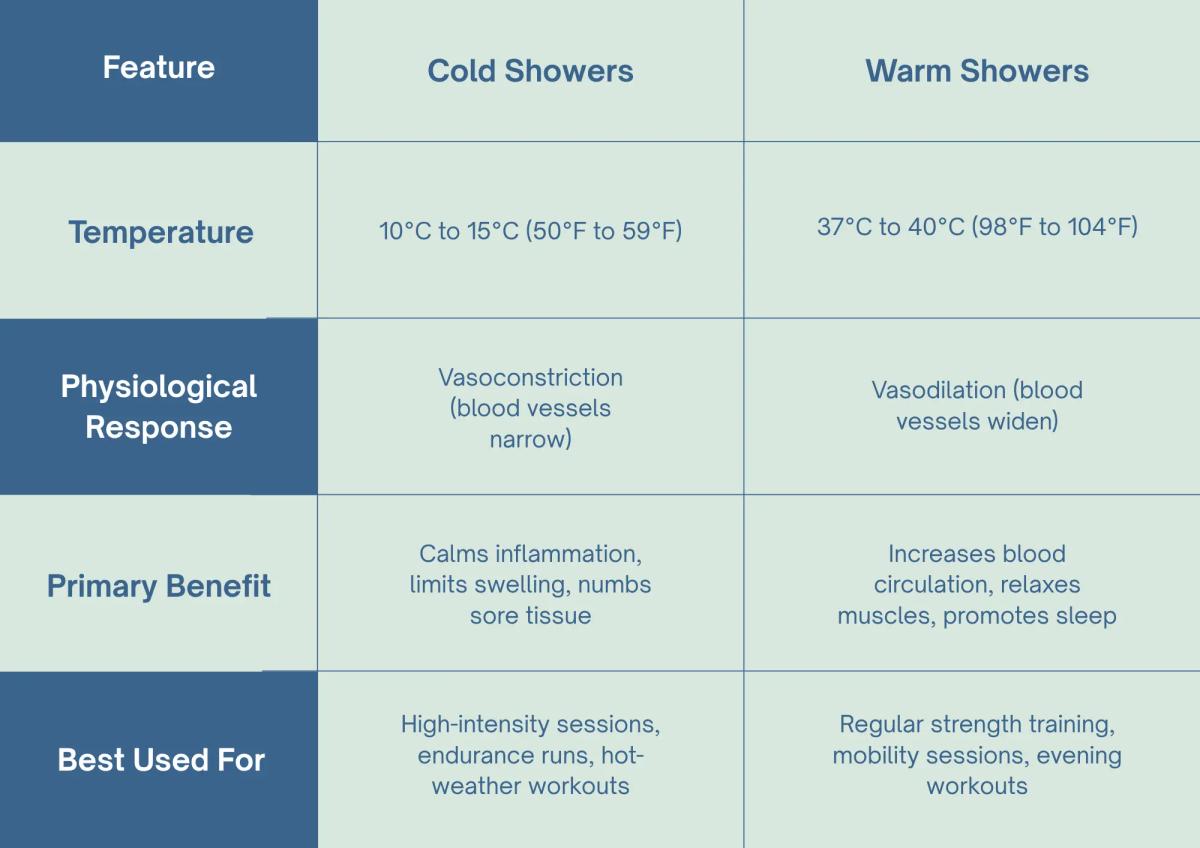
Water between 10°C and 15°C (50°F to 59°F) triggers vasoconstriction (the temporary tightening and narrowing of your blood vessels). This process acts like a full-body ice pack—it limits localized swelling, calms inflammation, and numbs sore muscle tissue. This is the same physiological principle behind ice baths and cold water immersion therapy. Cold showers are generally most beneficial after high-intensity workouts, long endurance sessions, competitive events, or training performed in hot weather.
Many athletes also find that cold showers help them feel more alert and recover more comfortably between consecutive training days.
Warm Showers:
Water between 37°C and 40°C (98°F to 104°F) triggers vasodilation (the widening of your blood vessels). This opens the floodgates for nutrient-rich blood to rush to your tired muscles while telling your parasympathetic nervous system (your body's "rest and digest" mode) that it is safe to relax. This makes warm showers highly effective for athletes training late at night who need to transition out of a high-alert training state and prepare the body for sleep. Poor sleep quality directly impairs muscle protein synthesis and next-day performance, making a warm shower a practical tool for evening training sessions.
The best approach is to match the water temperature to your recovery needs:
- Choose a cold shower after high-intensity training, races, or long endurance sessions when reducing soreness and feeling refreshed are your priorities.
- Choose a warm shower after regular strength workouts, mobility sessions, or evening training when muscle relaxation and recovery are the primary goals.
- Some athletes also benefit from contrast showers, alternating between warm and cool water, which may temporarily stimulate circulation and help relieve feelings of muscle stiffness.
Ultimately, the water temperature is only one part of recovery. Proper hydration, balanced nutrition, adequate sleep, and consistent training habits have a much greater impact on long-term performance than the temperature of your post-workout shower alone.
How Do You Maximize Your Post-Gym Recovery?
An after exercise shower is an important part of recovery, but it works best when combined with other healthy post-workout habits. Recovery is the period when your body repairs muscle tissue, replenishes energy stores, adapts to the stress of training, and prepares for your next workout. The better your recovery, the more consistently you can train and continue making progress.
An effective post-workout recovery routine should include:
- Cool down properly. Spend 5–10 minutes walking or performing light movement after your workout to gradually lower your heart rate before taking a shower after workout sessions.
- Rehydrate. Replace fluids and electrolytes lost through sweat by drinking water throughout the hour following your workout.
- Refuel your muscles. Consume a balanced meal or snack containing 20–40 grams of protein and quality carbohydrates within 1–2 hours after training to support muscle repair and replenish glycogen stores.
- Prioritize sleep. Aim for 7–9 hours of quality sleep each night, as this is when the body releases many of the hormones responsible for muscle recovery and tissue repair.
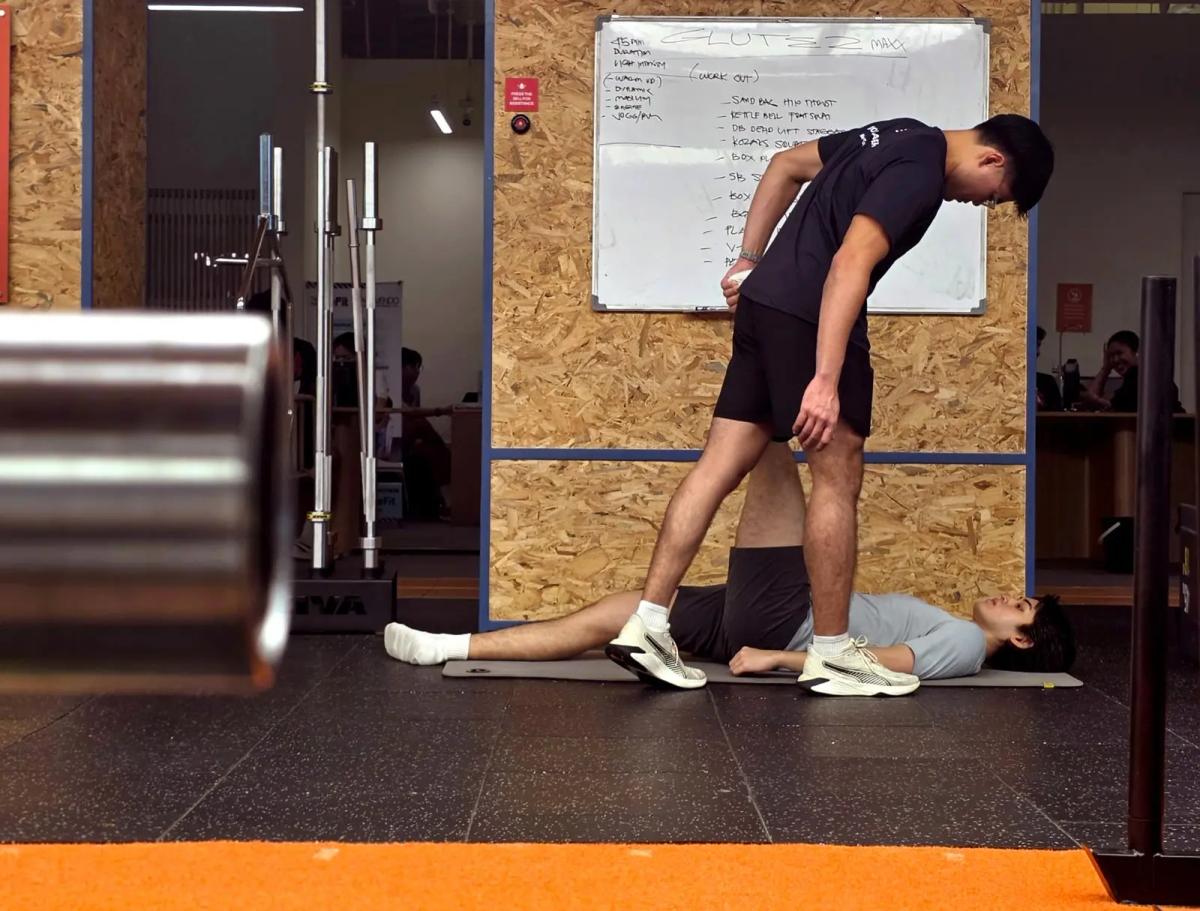
- Include mobility work. Gentle stretching, foam rolling, or mobility exercises after your workout can help maintain flexibility and reduce muscle tightness.
At BeFit Gym, our certified personal trainers and recovery specialists provide dedicated mobility sessions, personalized stretching protocols, and sports massage therapy designed to accelerate muscle tissue repair after demanding training sessions. Utilizing a professional, supervised training environment ensures your cool-down strategies are tailored specifically to your body type and individual performance goals.
These strategies can help reduce soreness, improve movement quality, and keep you performing at your best.
Frequently Asked Questions About Post-Exercise Recovery
Is it bad to take a bath immediately after exercise?
No. Taking a bath after workout sessions is generally safe for healthy individuals. However, it's recommended to wait 5–10 minutes after finishing your workout before stepping into the shower or bath. This allows your heart rate, breathing, and body temperature to begin returning to normal.
Using this short recovery period for light walking, stretching, or deep breathing helps your cardiovascular system transition more comfortably from exercise to recovery.
If you plan to take a very hot bath, allowing your body to cool down slightly first is especially beneficial, as both intense exercise and hot water naturally increase blood flow and heart rate. Likewise, if you're considering a cold bath or ice bath, waiting a few minutes helps reduce unnecessary cardiovascular stress.
Does a shower after gym help with muscle growth?
A shower after gym sessions does not directly stimulate muscle growth, but it can indirectly support better training results by improving your overall recovery experience.
Muscle growth occurs through three main factors:
- Progressive resistance training.
- Adequate daily protein and calorie intake.
- Sufficient recovery between workouts.
A post-workout shower helps regulate body temperature, improve comfort, reduce sweat and bacteria on the skin, and promote relaxation. Feeling refreshed after training often improves recovery habits and increases the likelihood that you'll remain consistent with your exercise routine.
While the shower itself won't build muscle, recovering well makes it easier to train consistently and consistency is what drives long-term strength and muscle development.
Should I use soap every time I shower after a workout?
Yes. A proper after exercise shower should include a gentle cleanser rather than water alone.
During exercise, sweat combines with natural skin oils, bacteria, dirt, sunscreen, and dead skin cells. If this mixture remains on the skin for long periods, it can clog pores and contribute to body odor, skin irritation, and exercise-related acne.
Using a mild, pH-balanced soap effectively removes these impurities while protecting your skin's natural moisture barrier. This is especially important if you train frequently, wear tight-fitting workout clothes, or sweat heavily during exercise.
If you shower multiple times each day, choose a gentle cleanser and apply a moisturizer afterward to prevent excessive skin dryness.