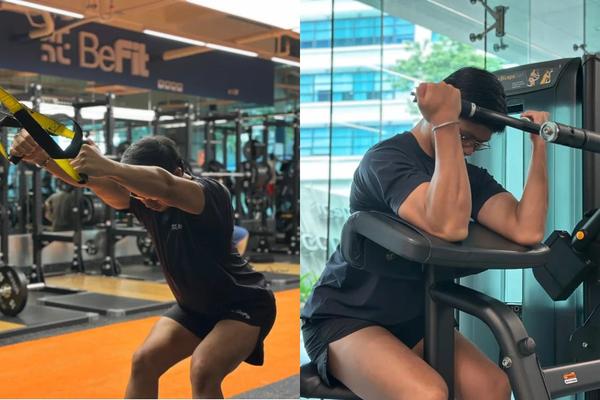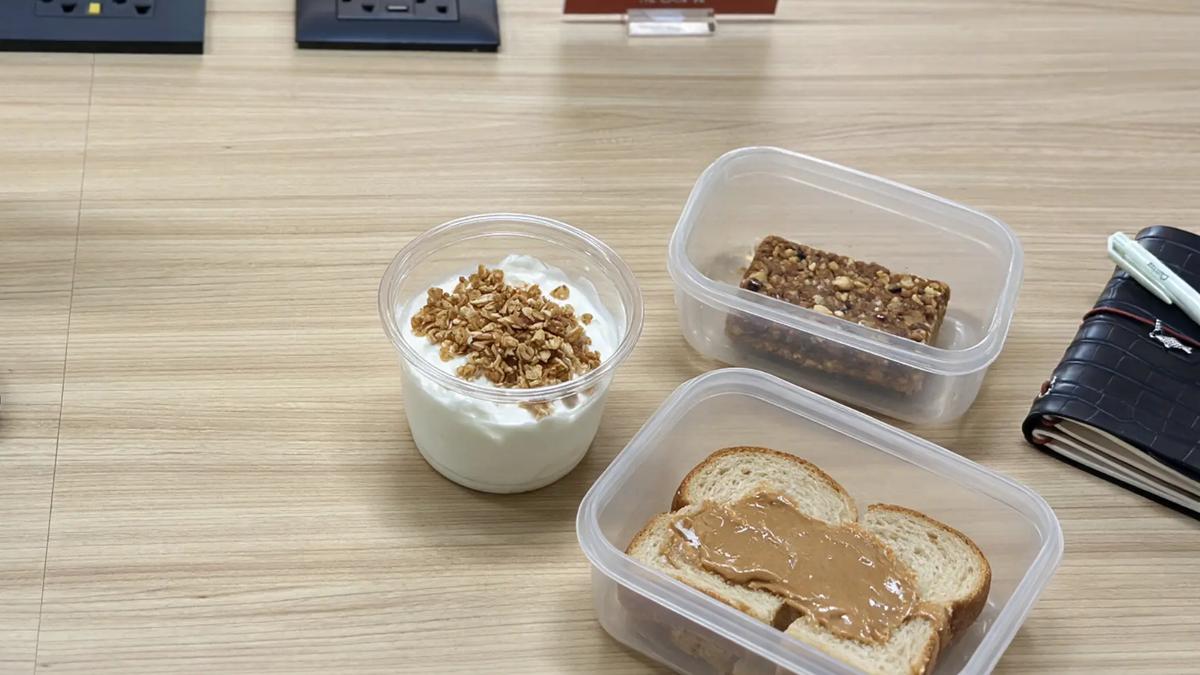
Knowing what to eat after workout sessions is one of the most important steps in maximizing the benefits of your training. While your workout provides the stimulus for change, your recovery nutrition supplies the nutrients your body needs to repair muscle tissue, restore energy, and prepare for your next session.
For most active individuals, the ideal post workout meal contains 20–40 grams of high-quality protein combined with carbohydrates, consumed within 1–2 hours after finishing exercise. Protein supplies the amino acids required to repair and build muscle, while carbohydrates replenish the glycogen stores that fuel future workouts.
Whether your goal is building muscle, losing body fat, improving athletic performance, or simply recovering faster, choosing the right foods after training helps reduce fatigue, minimize muscle soreness, and support long-term progress. From a quick after workout snack to a complete recovery meal or a convenient post workout protein shake, there are effective options for every schedule and fitness goal.
Why Is Post-Workout Nutrition Crucial for Recovery?
Every workout places stress on your body and that's exactly what stimulates adaptation. Whether you're lifting weights, running, participating in HIIT, or attending a group fitness class, your muscles and energy systems need the right nutrients to recover effectively afterward.
During exercise, two major physiological processes occur:
- Your body uses energy. Your muscles rely heavily on glycogen, the stored form of carbohydrates found in your muscles and liver, to fuel movement. As your workout continues, these glycogen stores gradually become depleted.
- Your muscles experience microscopic damage. Resistance training and high-intensity exercise create tiny tears within muscle fibers. These micro-tears are a normal part of training and are repaired during recovery, allowing muscles to become stronger and more resilient.
Eating a balanced post workout meal helps shift your body from a catabolic state, where muscle tissue is temporarily being broken down, into an anabolic state, where repair, recovery, and muscle growth begin.
Two important recovery processes take place:
Muscle Protein Synthesis (MPS)
One of the primary roles of post workout protein is stimulating Muscle Protein Synthesis (MPS), the biological process responsible for repairing damaged muscle fibers and building new muscle tissue.
High-quality protein provides essential amino acids, particularly leucine, which acts as a key trigger for activating muscle repair. Consuming enough protein after training helps maximize this response, supporting strength gains, muscle growth, and recovery.
The better your body can repair muscle tissue after exercise, the better prepared it will be for your next workout.
Glycogen Replenishment
Carbohydrates play an equally important role in recovery by replacing the glycogen used during exercise.
Replenishing glycogen stores becomes especially important after:
- Long endurance workouts.
- High-volume strength training.
- HYROX or functional fitness sessions.
- Multiple workouts performed in the same day.
Consuming carbohydrates alongside post workout protein helps restore energy reserves more efficiently, allowing you to recover faster and maintain higher performance during future training sessions.
Quick Reference: What to Eat After Workout Sessions
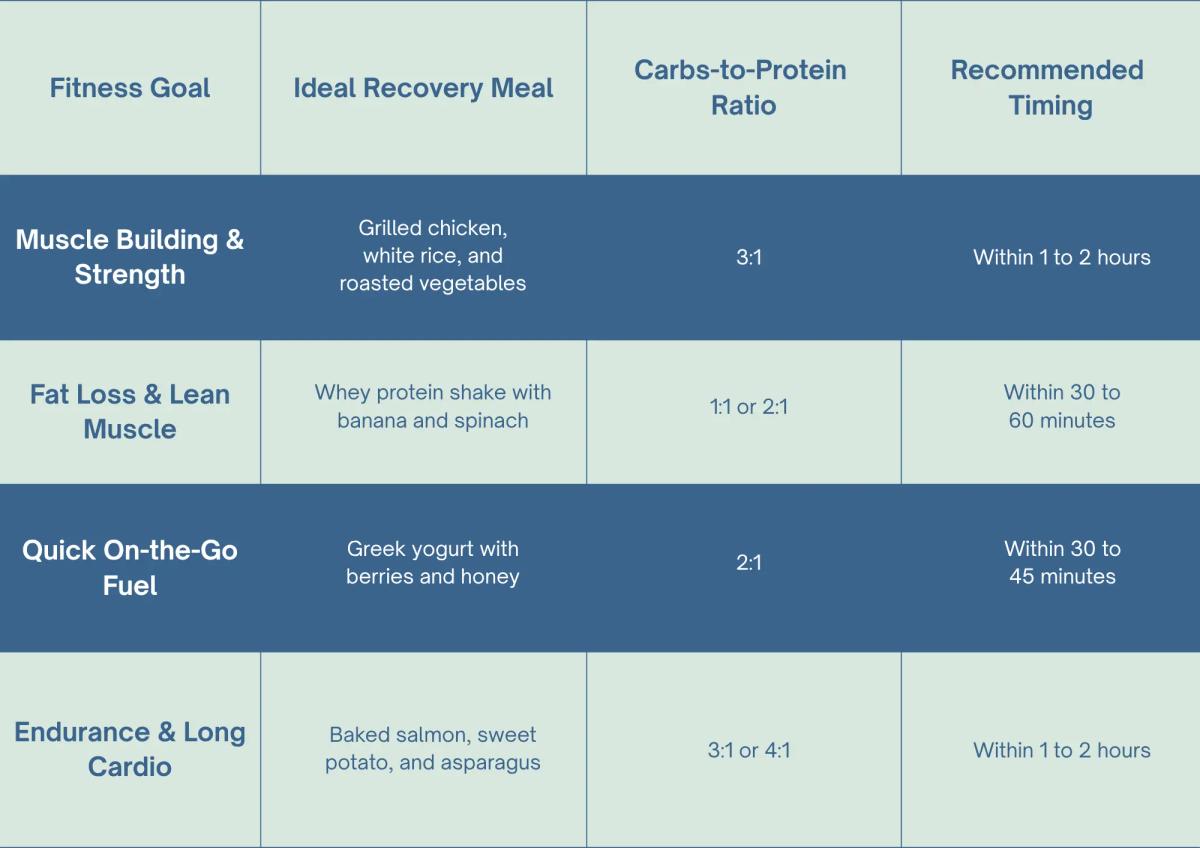
These recommendations provide a simple starting point, but your ideal post workout meal should always be adjusted according to your training intensity, body size, fitness goals, and total daily calorie requirements.
The Role of Post-Workout Protein in Muscle Repair
Protein is one of the most important nutrients for recovery because it supplies the amino acids your body needs to repair damaged muscle fibers, maintain lean muscle mass, and support long-term strength development.
Every resistance-training session creates microscopic stress within your muscles. Without sufficient post workout protein, your body's ability to recover and adapt is reduced, making it more difficult to improve performance over time.
Consuming high-quality protein after exercise helps maximize muscle recovery, supports immune function, and prepares your body for your next training session.
How Much Protein Do You Need After Training?
Most active adults benefit from consuming approximately 20–40 grams of high-quality protein after exercise.
The exact amount depends on factors such as:
- Body size.
- Training intensity.
- Daily protein intake.
- Overall fitness goals.
For most recreational exercisers, this range provides enough essential amino acids to maximize muscle protein synthesis without requiring excessive protein intake in a single meal.
Rather than focusing only on your post workout meal, remember that total daily protein intake remains the biggest factor influencing long-term muscle growth and recovery.
Great High-Quality Protein Choices
Not all protein sources digest at the same speed, but many provide the complete amino acid profile needed for effective recovery.
Excellent post workout protein sources include:
- Whey Protein Powder (Isolate or Concentrate): Rapidly digested and one of the fastest ways to deliver amino acids after training.
- Lean Animal Proteins: Chicken breast, turkey, lean ground beef, egg whites, and fish (like salmon or tuna).
- Plant-Based Proteins: Soy protein, tofu, tempeh, edamame, pea protein, and rice protein blends.
Choosing a protein source you enjoy and can consume consistently is more important than finding a single "perfect" option.
Protein Shakes vs. Whole Food Recovery Meals
Should you choose a post workout protein shake or eat a complete meal after training?
The answer depends on your schedule, appetite, digestive comfort, and how soon you'll be eating your next meal. Both options can effectively support recovery when they provide adequate protein and carbohydrates.
Option A: The Fast-Absorbing Post-Workout Protein Shake
When to Pick a Post-Workout Protein Shake:
A post workout protein shake is ideal when convenience and speed are your priorities.
Choose a shake if:
- You have little appetite immediately after training.
- You're heading back to work or school.
- You're traveling after your workout.
- You trained early in the morning or in a fasted state.
- You need quick, easily digestible nutrition.
Recommended timing: Within 30–45 minutes after exercise.
Simple recipe:
- 1 scoop whey or plant protein.
- 1 frozen banana.
- 1 cup unsweetened almond milk or low-fat milk.
- 1 tablespoon peanut butter (optional for additional calories).
This combination provides protein for muscle repair and carbohydrates to replenish glycogen while remaining easy to digest.
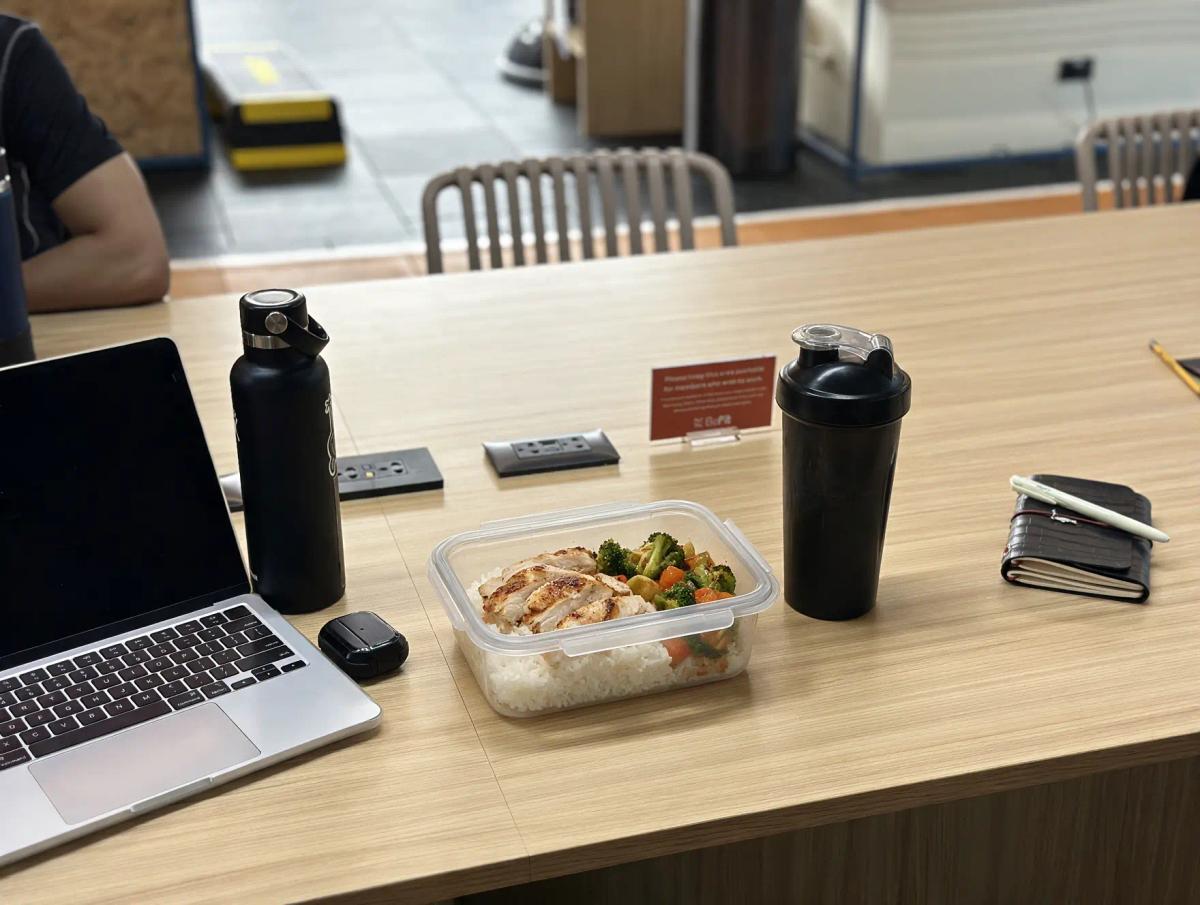
Option B: The Whole-Food Recovery Meal
When to Pick a Whole-Food Meal:
A complete post workout meal is an excellent option when you have time to sit down and eat.
Choose a whole-food meal if:
- You finish training around lunch or dinner.
- You have a healthy appetite after exercise.
- You enjoy preparing balanced meals.
- Your recovery meal is replacing one of your regular daily meals.
Recommended timing: Within 1–2 hours after training.
Simple recipe:
- 150 g grilled chicken, fish, lean beef, or tofu.
- 1 cup jasmine rice, brown rice, or sweet potato.
- 1 cup steamed vegetables.
Whole-food meals provide additional vitamins, minerals, fiber, and micronutrients that support overall health alongside muscle recovery.
Quick After-Workout Snack Ideas (Under 300 Calories)
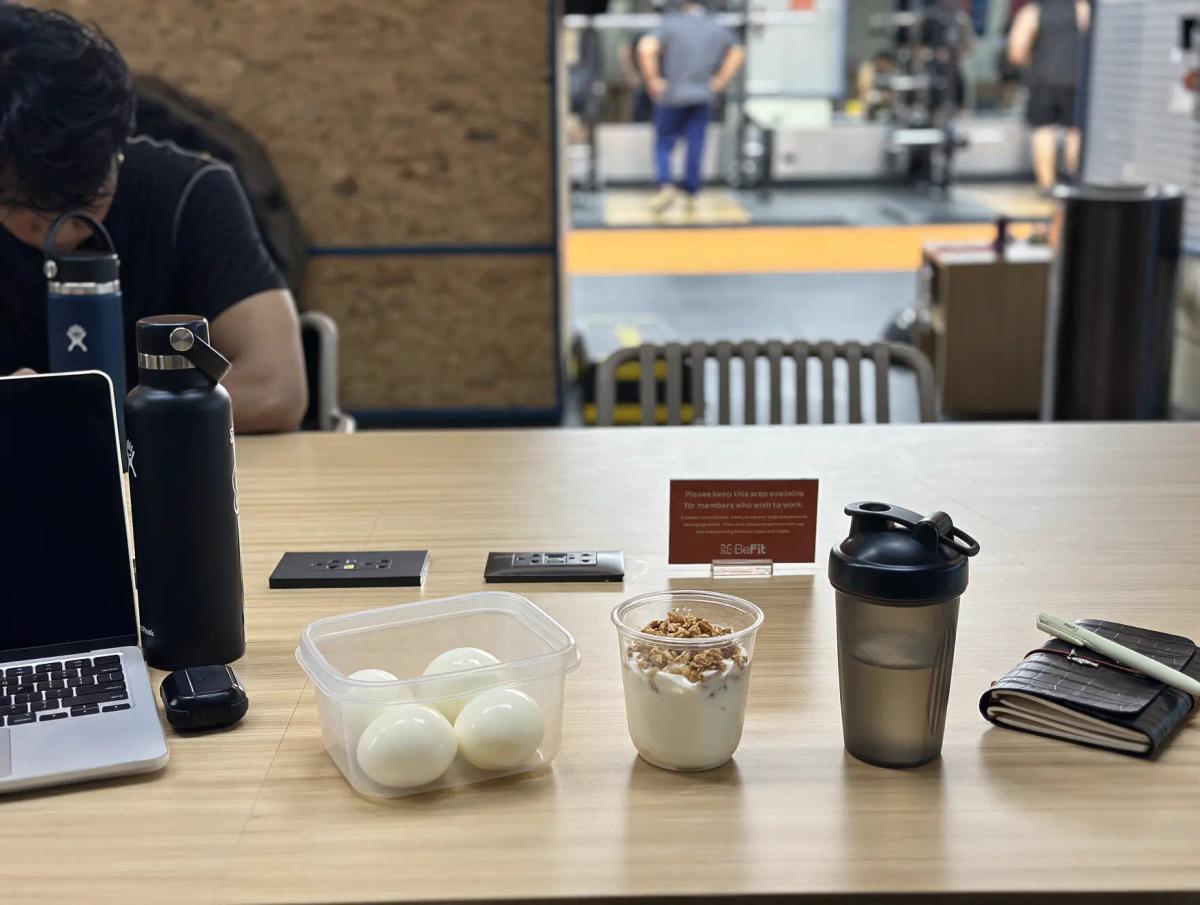
If you can't eat a complete post workout meal immediately, a nutritious after workout snack can help begin the recovery process while keeping hunger under control.
Portable recovery ideas include:
1- Greek Yogurt Parfait
- 200 g plain Greek yogurt
- ½ cup blueberries
- Drizzle of honey
Approximately 25 g protein / 30 g carbohydrates
2- Rice Cakes & Scrambled Eggs
- 3 rice cakes
- 1 whole egg
- 3 egg whites
Approximately 20 g protein / 22 g carbohydrates
3- Cottage Cheese & Pineapple
- 1 cup low-fat cottage cheese
- ½ cup pineapple
Approximately 24 g protein / 20 g carbohydrates
4- Turkey & Apple Wraps
- Lean turkey slices
- Apple slices
- Small handful of almonds
Approximately 18 g protein / 15 g carbohydrates
These snacks provide a practical bridge until your next full meal while supporting recovery and helping you reach your daily protein targets.
Post-Workout Protein Timing: Understanding the "Anabolic Window"
Many people believe they must consume a post workout protein shake immediately after their final set or risk losing all their training progress. Fortunately, modern sports nutrition research paints a much more realistic picture.
The so-called "anabolic window" is much wider than previously believed.
While consuming protein after exercise certainly supports recovery, the total amount of protein you consume throughout the day remains the most important factor for muscle growth and recovery.
Protein timing depends largely on when you last ate:
- If you ate a balanced meal 1–2 hours before training: Your body is still digesting and absorbing nutrients during your workout, giving you approximately 1–2 hours afterward to consume your next meal.
- If you trained fasted or early in the morning: Consuming a post workout protein shake or balanced snack within 30–45 minutes helps begin recovery sooner by supplying readily available amino acids and carbohydrates.
The goal isn't to race to the locker room with a protein shaker—it's simply to avoid going many hours after training without eating.
Maximize Your Workout Results
Even the perfect post workout meal cannot compensate for an ineffective training program.
The greatest results occur when smart nutrition is paired with structured exercise, progressive overload, adequate sleep, hydration, and consistent recovery habits.
If your goal is fat loss, muscle building, or improving athletic performance, your nutrition should evolve alongside your training program.
Post-workout nutrition is only half the equation! To make sure your training in the gym matches the food on your plate, check out our guide on exercises at the gym to lose weight.
If you want a customized routine built around your exact goals and lifestyle, team up with a BeFit Personal Trainer or get expert meal advice from a BeFit Nutritionist today. By combining professional coaching with evidence-based nutrition, you'll recover more efficiently and continue progressing toward long-term success.
Frequently Asked Questions About Post-Workout Meals
Can I drink a post-workout protein shake with plain water?
Yes. Mixing your post workout protein shake with water is an excellent option, especially if your goal is rapid digestion or keeping calorie intake lower.
Water allows protein to empty from the stomach relatively quickly, making amino acids available for muscle recovery without additional calories from milk.
If your goal is muscle gain or higher calorie intake, mixing protein with milk can provide additional protein, carbohydrates, calcium, and calories to further support recovery.
Both options are effective, the best choice depends on your individual nutrition goals.
Should I eat fat in my post-workout meal?
Yes—but in moderation.
Healthy fats are an important part of a balanced diet and support hormone production, nutrient absorption, and overall health. However, large amounts of fat slow digestion, which may delay the absorption of carbohydrates and protein immediately after training.
Including approximately 15–20 grams of healthy fat within your post workout meal is perfectly acceptable.
Good choices include:
- Avocado.
- Nuts and seeds.
- Natural peanut butter.
- Olive oil.
- Fatty fish such as salmon.
A balanced recovery meal containing protein, carbohydrates, and moderate healthy fats provides excellent overall nutrition while still supporting recovery.
What happens if I skip eating after a workout?
Skipping a post workout meal occasionally won't undo all of your progress.
However, regularly delaying or skipping recovery nutrition may slow muscle repair, reduce glycogen replenishment, increase muscle soreness, and leave you feeling more fatigued during your next workout.
Over time, inadequate recovery nutrition can make it more difficult to maintain strength, build muscle, and perform consistently in the gym.
If you don't feel hungry immediately after training, consider starting with a light after workout snack or a post workout protein shake, followed by a complete meal later. Even a small amount of protein and carbohydrates shortly after exercise is often better than waiting several hours without eating.