Trying to lose weight at the gym can feel confusing. Cardio, strength training, high-intensity intervals, full-body circuits — it’s hard to know what actually makes a difference. Even when you exercise consistently, results may feel slow or unpredictable.
Effective fat loss comes from understanding which exercises truly support your goals, how to structure them, and how to stay consistent over time. With the right approach, gym workouts can be a practical, sustainable part of your routine — without extreme diets, confusing rules, or routines that take over your life.

What Effective Weight Loss Looks Like
When the goal is fat loss, it’s not about punishing your body or burning the most calories in a single session. Real progress happens when:
- You maintain a consistent energy balance over time (a slight calorie deficit maintained consistently, not extreme restriction)
- You preserve or build lean muscle, which supports metabolism (through regular strength training, not just cardio)
- You choose workouts you can repeat without burnout (training that fits your lifestyle and recovery capacity)
Many people ask, “How do I lose fat?” The answer is simple but not easy: consistency across the basics.
Fat loss isn’t magic, it happens when exercise, nutrition, and recovery all work together. No single workout or diet creates results on its own. Exercise plays a critical role by maintaining muscle mass, increasing daily energy expenditure, and improving overall fitness and health markers.
When combined with proper nutrition and adequate recovery, it creates an environment where fat loss becomes predictable and sustainable.
Why Workouts Sometimes Stop Working
Even with regular exercise, progress can stall. Common reasons include:
- Focusing on only one type of exercise For example, only doing cardio or light workouts without progression limits results.
- Lack of progression Doing the same routine week after week teaches your body to maintain, not change.
- Overestimating the impact of workouts A few hard sessions can’t compensate for inactivity or inconsistent habits outside the gym.
- Chasing intensity instead of consistency Very intense sessions can lead to fatigue or skipped workouts, which slows long-term results.
Understanding why progress stalls helps you focus on what actually works.
Core Exercises That Support Weight Loss
Combining different types of exercise produces the most reliable results. Here’s how gym workouts can target fat loss effectively.
1. Strength Training
Strength training is essential for anyone looking to drop body fat. Its primary role is not just burning calories—but preserving muscle while in a calorie deficit, which helps maintain metabolism.
More muscle = better long-term energy expenditure and improved body composition.
Key exercises at the gym include:
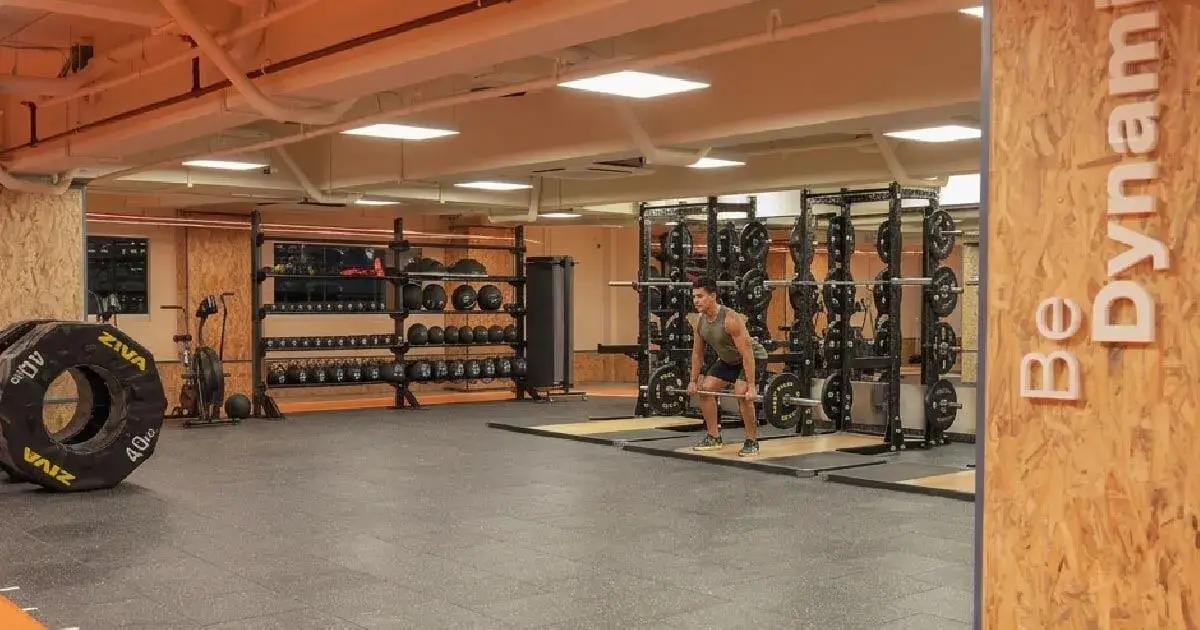
- Squats and leg presses
- Deadlifts or hip hinge movements
- Push-ups, bench presses, or chest presses
- Rows and pull-downs
How often: 3–4 sessions per week, focusing on full-body or split routines.
Common mistakes:
- Lifting weights that are too light to challenge muscles (no stimulus = no adaptation)
- Skipping rest or recovery (which slows progress and increases fatigue)
- Expecting rapid visual changes instead of focusing on strength progression (strength improvements usually come before visible fat loss)
Progressive overload — gradually increasing weight or reps — ensures strength training contributes effectively to fat loss.
2. Cardio: Steady-State vs High-Intensity

Cardio helps increase energy expenditure, which supports fat loss, but not all cardio is the same.
Steady-state cardio includes walking, cycling, or jogging at a moderate pace. It’s easy to recover from, can be done frequently, and supports long-term consistency.
High-intensity cardio includes intervals or bursts of intense effort. It’s time-efficient, improves cardiovascular fitness, and can increase post-workout calorie burn.
Common mistake: Doing high-intensity cardio too often, which can interfere with recovery and strength training. A balance of steady-state and high-intensity sessions usually works best.
3. Full-Body and Compound Movements
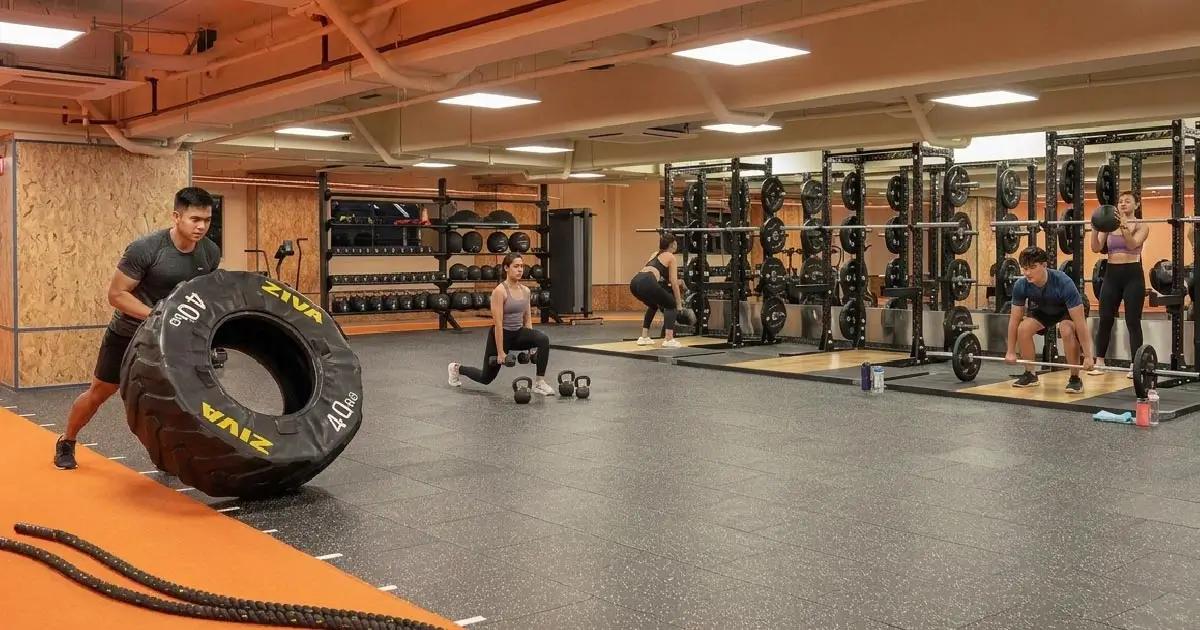
Exercises that engage multiple muscle groups are particularly efficient for fat loss. They burn more energy, improve overall movement efficiency, and translate well to daily life.
Examples include:
- Kettlebell swings or presses
- Weighted lunges
- Loaded carries
- Bodyweight circuits
Even simple, consistent movements done well are often more effective than complicated routines.
How to Combine Exercises for Sustainable Results
Instead of chasing the perfect workout, focus on a repeatable weekly structure. A balanced approach typically looks like:
- Strength training: 2 days per week (to build or preserve muscle and support metabolism)
- Cardio or active movement: 2 days per week (walking, cycling, classes, or light activity to increase overall energy expenditure)
- Recovery/light activity: 1 days (mobility, stretching, or low-intensity movement to support recovery and reduce fatigue)
Session duration: 45–60 minutes is usually enough (long enough to be effective, short enough to stay consistent).
Progression: Gradually increase weights, repetitions, or movement quality rather than constantly switching routines. Small, consistent improvements compound over time and produce sustainable fat loss.
How the Gym Supports Fat Loss
A gym doesn’t make fat loss happen — habits do. What it offers is:
- Access to equipment for strength progression
- A structured environment to reduce guesswork
- Convenience and consistency, especially when fitting workouts around work and daily life
Training near home or work, such as in areas like Makati or Alabang, can make it easier to stay consistent. The value comes from structure, not promotion or special programs.
To optimize your results, you can access a range of professional resources at Befit. This includes personal training for a customized roadmap, a variety of fitness classes to keep your energy high, and wellness services to support your recovery throughout the process.
Making Fat Loss Sustainable
Effective weight loss comes from habits, not hacks or extremes. Focus on:
- Training regularly and consistently
- Improving strength and energy over time
- Making small, sustainable adjustments instead of drastic changes
Patience isn’t passive — it’s the foundation for lasting results.
Frequently Asked Questions
What are the best exercises at the gym to lose weight?
The most effective exercises combine strength training and cardio. Compound movements build muscle and metabolism, while cardio increases energy expenditure. Together, they produce more sustainable fat loss than either alone.
How do I lose fat without spending hours at the gym?
Focus on 4–5 quality sessions per week, combining strength training with moderate cardio.
Prioritize efficiency, full-body workouts, compound movements, and short cardio sessions can deliver results in 30–60 minutes.
Consistency matters more than long, exhausting workouts. Short, repeatable sessions will always outperform occasional long ones.
Is cardio or weights better for weight loss?
They serve different but complementary roles.
Cardio burns calories during exercise, while strength training preserves muscle and supports metabolism.
Strength training should be the foundation, with cardio added to increase overall energy expenditure. Combining them gives the best results.
How often should I exercise to drop body fat?
4–5 sessions per week are effective for most people. This range provides enough stimulus for fat loss while allowing proper recovery.
1 to 2 sessions slow progress, while too many can interfere with recovery and consistency. The right number is the one you can maintain consistently over time.
How long does it take to see fat loss results?
Energy, mood, and strength improvements often appear within a few weeks. These are early indicators that your routine is working—even before visible changes.
Visible fat loss usually takes 6–8 weeks, depending on consistent training, good nutrition and proper sleep.
Why am I exercising but not losing weight?
In many cases, the issue is not effort but imbalance in the overall approach. Nutrition, daily activity, sleep, and training quality all need to align.
Small adjustments usually make a bigger difference than more intensity. Refining your routine is often more effective than simply pushing harder.