Building muscle isn't just about lifting heavier weights, it's equally about giving your body the right fuel to recover, adapt, and grow stronger after every workout. Every training session creates tiny tears in your muscle fibers, and your body repairs them during recovery. With the right combination of nutrition, rest, and progressive training, those muscles rebuild stronger than before.
One of the most common misconceptions is that protein alone builds muscle. In reality, muscle growth is the result of three essential factors working together:
- Progressive resistance training that continually challenges your muscles
- Sufficient daily calorie intake to provide the energy needed for growth
- Adequate high-quality protein to repair and build new muscle tissue
When one of these pieces is missing, your progress slows. For example, eating enough protein without training won't stimulate muscle growth, while training hard without eating enough calories or protein limits your body's ability to recover and adapt.
Research consistently shows that individuals aiming to maximize muscle growth should consume approximately 1.6–2.2 grams of protein per kilogram of body weight per day, while maintaining a daily calorie surplus of around 250–500 calories above maintenance. This moderate surplus provides the energy required to support muscle growth while helping minimize unnecessary fat gain.
For example, if you weigh 70 kg, your daily target should be approximately:
- Protein: 112–154 grams
- Calories: Your maintenance calories + 250–500 kcal
These targets can easily be achieved through affordable whole foods such as eggs, chicken, tokwa (tofu), rice, kamote (sweet potato), dairy products, fish, and lean meats. By spreading your protein intake evenly across three to five meals throughout the day, you can further support muscle protein synthesis and optimize recovery.
The good news is that you don't need expensive supplements or complicated meal plans to build muscle successfully.
For most people training in the Philippines, a simple nutrition plan built around locally available foods provides all the protein, carbohydrates, healthy fats, vitamins, and minerals needed to support consistent progress while keeping food costs manageable.
Supplements can be convenient when you're short on time or struggling to meet your daily protein target, but they should complement, not replace, a balanced diet. Consistently meeting your calorie and protein goals through nutritious whole foods will always have the greatest impact on long-term muscle growth, strength, recovery, and overall health.
Why Do Calories Matter as Much as Protein for Muscle Building?
Many people focus solely on eating more protein while overlooking an equally important factor: total calorie intake.
Your body requires energy to perform every function, including building new muscle tissue. If you consistently eat fewer calories than your body needs, it will prioritize keeping you alive rather than building muscle, even if your protein intake is high.
In a calorie deficit, dietary protein is often diverted to produce energy instead of repairing and growing muscle after training.
This is why carbohydrates play such an important role in a muscle-building diet.
Rather than being the enemy, carbohydrates provide the fuel your body needs for intense workouts and help "spare" protein so it can perform its primary role, repairing damaged muscle fibers and stimulating muscle growth.
Excellent carbohydrate choices include:
- White rice
- Brown rice
- Oats
- Kamote (sweet potato)
- Fruits
- Whole-grain breads
A moderate calorie surplus of 250–500 calories per day provides enough extra energy to support muscle growth while minimizing unnecessary fat gain.
Think of calories as the construction budget and protein as the building material. Without enough energy, even the highest-quality protein cannot build a bigger, stronger physique.
What Are the Best Muscle Mass Gaining Foods for a High Protein Diet?
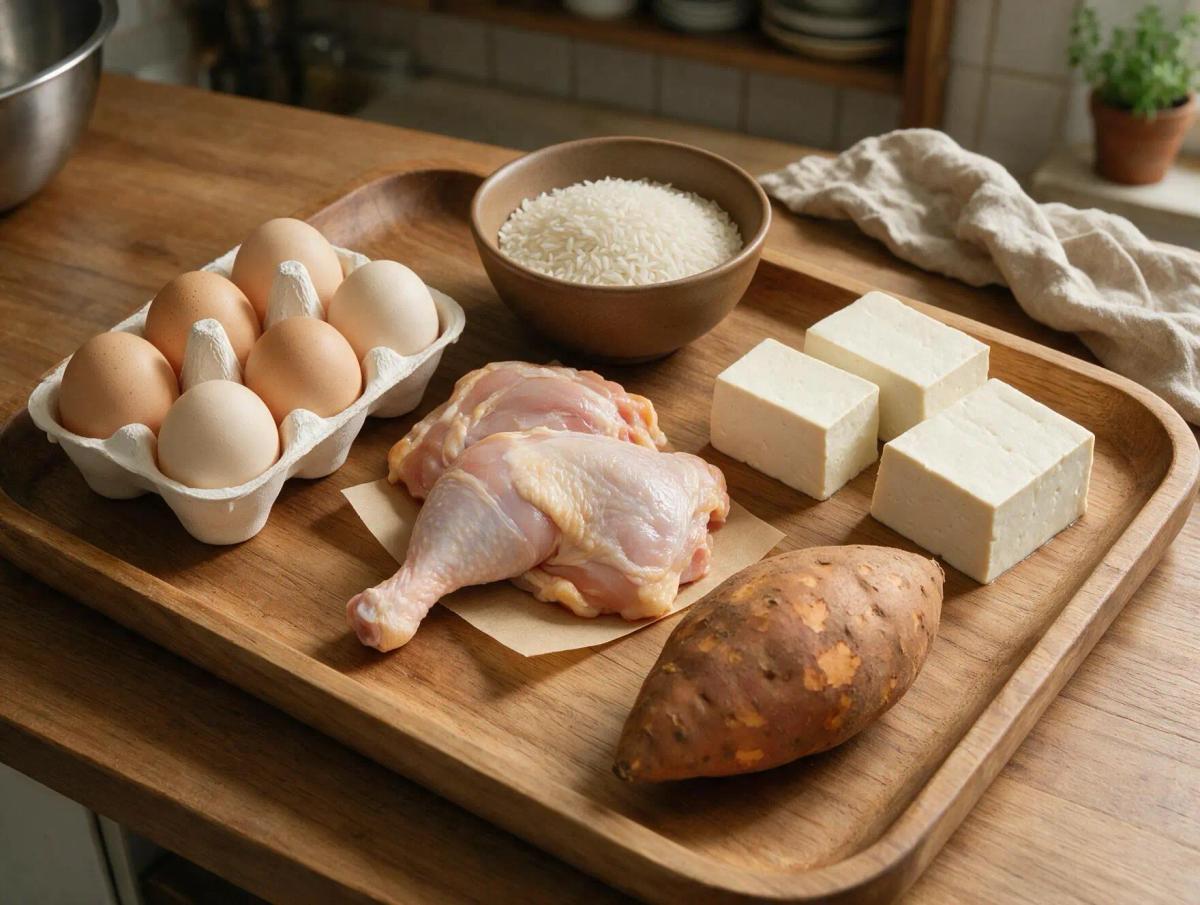
You don't need a long shopping list filled with expensive "superfoods" to build muscle effectively. In fact, some of the best muscle-building foods are affordable, easy to prepare, and readily available in local supermarkets.
The key is choosing foods that provide high-quality protein, complex carbohydrates, healthy fats, and essential vitamins and minerals. Together, these nutrients support muscle repair, replenish energy stores, enhance recovery, and provide the fuel needed to perform well in the gym.
Here are eight of the best foods to include in your muscle-building nutrition plan:
1. Whole Eggs
Eggs are considered one of the highest-quality protein sources because they contain all nine essential amino acids your body needs to build and repair muscle tissue. In addition to protein, they provide healthy fats, choline, vitamin D, selenium, and several B vitamins that support energy metabolism and overall health.
The yolk is particularly valuable because it contains leucine, the amino acid that plays a major role in stimulating muscle protein synthesis, the process responsible for repairing and growing muscle after resistance training.
Best for: Breakfast, post-workout meals, or healthy snacks.
2. Chicken Breast or Chicken Quarters
Chicken is a lean, complete protein that supplies the amino acids required for muscle recovery and growth after strength training. It is also low in saturated fat, making it an excellent everyday protein choice for most people.
A 100-gram serving of cooked chicken breast provides approximately 31 grams of protein, making it one of the most efficient foods for meeting your daily protein target. Chicken quarters are also a nutritious and often more affordable option, providing additional healthy fats for those looking to increase calorie intake.
Best for: Lunch, dinner, and meal prep.
3. Tokwa (Tofu)
Tokwa is an affordable and versatile plant-based protein that contains all nine essential amino acids, making it a complete protein source. It is also rich in calcium, iron, and magnesium, nutrients that support muscle function and overall health.
When total daily protein intake is adequate, plant-based proteins can support muscle growth just as effectively as animal proteins. Tofu is therefore an excellent choice for vegetarians, vegans, or anyone looking to add more variety to their meals.
Best for: Stir-fries, salads, rice bowls, or soups.
4. White or Brown Rice
Rice is one of the body's preferred sources of energy for high-intensity exercise. It replenishes muscle glycogen, the stored form of carbohydrate that fuels resistance training and helps preserve protein so it can be used for muscle repair instead of energy production.
White rice is quickly digested and is ideal around workouts, while brown rice provides additional fiber and micronutrients that promote satiety and digestive health. Both can be valuable components of a muscle-building diet.
Best for: Pre-workout and post-workout meals.
5. Lean Ground Beef
Lean ground beef provides complete protein alongside several nutrients that support strength and performance, including iron, zinc, vitamin B12, and naturally occurring creatine.
Iron helps transport oxygen to working muscles, vitamin B12 supports energy production, while creatine contributes to improved strength, power output, and performance during high-intensity training.
Choosing lean cuts allows you to maximize protein intake while keeping saturated fat at moderate levels.
Best for: Main meals and meal prep.
6. Full-Fat Milk or Greek Yogurt
Dairy products provide a unique combination of fast-digesting whey protein and slow-digesting casein protein, delivering both immediate and sustained amino acid availability for muscle recovery.
They are also excellent sources of calcium, phosphorus, and probiotics (particularly Greek yogurt), which support bone health, digestion, and overall recovery. These foods are especially useful when you need convenient, nutrient-dense calories.
Best for: Breakfast, snacks, post-workout recovery, or before bed.
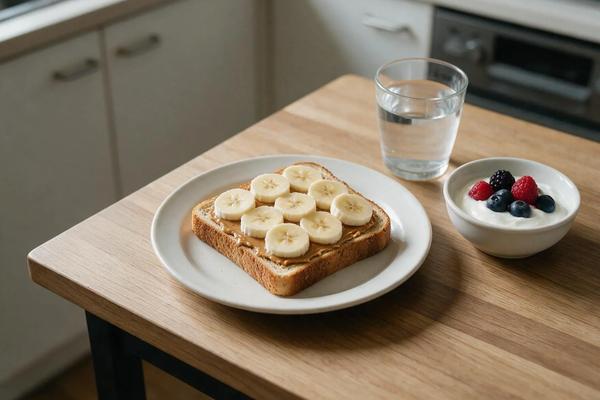
7. Peanut Butter
Peanut butter is a calorie-dense food that makes it easier to increase energy intake during a muscle-building phase without consuming large amounts of food.
In addition to healthy monounsaturated fats, it provides plant protein, vitamin E, magnesium, and antioxidants that support overall health and recovery. While it shouldn't be relied upon as your primary protein source, it is an excellent addition to smoothies, oatmeal, fruit, or whole-grain toast.
Because it is high in calories, portion control is still important.
Best for: Snacks, smoothies, or calorie-boosting meals.
8. Kamote (Sweet Potato)
Kamote is one of the most nutritious carbohydrate sources available and an excellent choice for active individuals. Its complex carbohydrates provide a steady release of energy, helping maintain performance during workouts and replenishing glycogen stores afterward.
It is also naturally rich in fiber, potassium, vitamin A, vitamin C, and antioxidants, which support hydration, muscle contractions, immune function, and recovery from training.
Combined with a quality protein source, kamote makes an ideal addition to a balanced muscle-building meal.
Best for: Pre-workout meals, post-workout recovery, or healthy side dishes.
How Do You Make a High Protein Bulking Diet Sustainable Long-Term?
The biggest reason a high-protein muscle-building diet fails isn't a lack of nutritional knowledge, it's a lack of consistency. Many people start a bulking phase motivated and disciplined, but struggle to maintain their calorie and protein targets once life gets busy.
The secret to long-term success isn't relying on motivation every day. It's creating simple habits and systems that make eating enough protein and calories easy, convenient, and sustainable over weeks and months of training.
Here are three practical strategies that can make a significant difference:
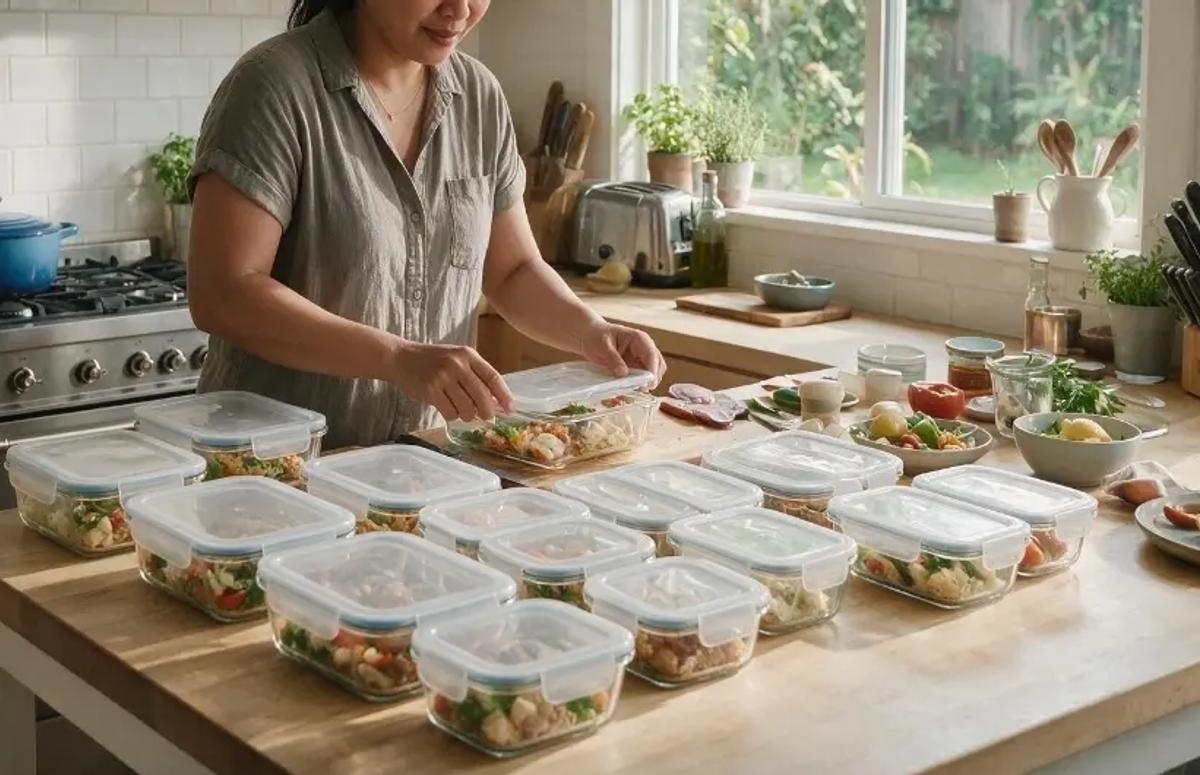
1 - Batch cooking
Preparing meals in advance is one of the easiest ways to stay consistent with your nutrition.
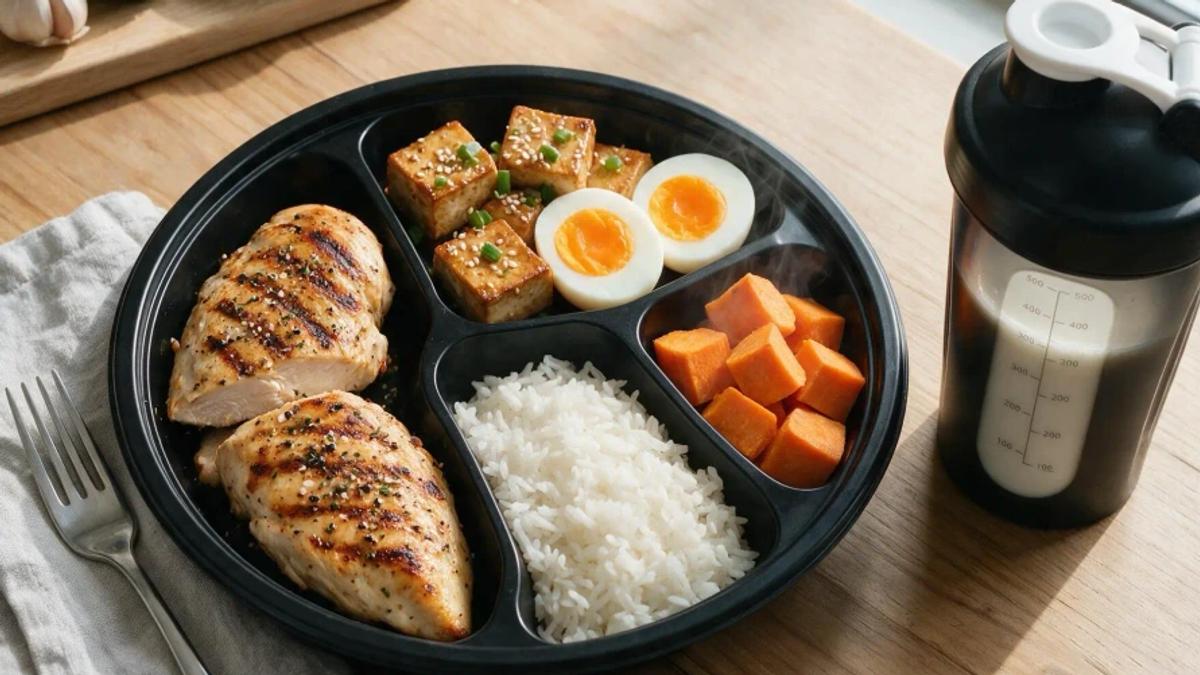
Cooking two to three days' worth of protein sources in a single session saves time and reduces the temptation to skip meals or choose less nutritious options. Keeping cooked chicken, lean ground beef, boiled eggs, or tokwa readily available in your refrigerator makes it much easier to build balanced, protein-rich meals throughout the week.
Pair your prepared protein with cooked rice, kamote, or vegetables, and you'll always have a nutritious meal ready in just a few minutes.
2 - Use liquid nutrition when needed
As your calorie needs increase, eating enough food can become challenging. This is where liquid nutrition can be extremely helpful.
Homemade shakes made with ingredients such as full-fat milk, Greek yogurt, oats, peanut butter, bananas, and protein powder can provide an additional 300–500 calories and 20–40 grams of protein in a quick, easy-to-digest meal.
Liquid meals shouldn't replace whole foods, but they are an excellent option when you're short on time, have a reduced appetite, or need a convenient post-workout recovery drink.
3 - Track your progress
A successful bulking phase should be guided by data, not guesswork.
Weigh yourself under the same conditions each week, preferably in the morning before eating and monitor your training performance alongside your body weight. A steady increase of approximately 0.25–0.5 kg per week, combined with gradual improvements in strength and workout performance, usually indicates that your nutrition plan is supporting lean muscle growth.
If both your body weight and lifting performance remain unchanged for two to three consecutive weeks, your body has likely adapted to your current calorie intake. Increasing your daily calories by approximately 200–300 calories is often enough to restart progress.
Remember that muscle growth is a gradual process. Consistent improvements over time are far more valuable than chasing rapid weight gain, which often results in unnecessary fat accumulation.
Combine smart nutrition with smart training
Nutrition provides the building blocks for muscle growth, but your workouts determine how those nutrients are used. To achieve the best results, your nutrition and training should work together as part of one complete plan.
At BeFit, our certified personal trainers can help you design a progressive strength-training program tailored to your goals, while our wellness and recovery services, including physiotherapy and expert nutritionists, support faster recovery between sessions. Our dedicated nutritionists work directly with you to craft a personalized high-protein meal plan, ensuring you hit the exact macro targets and calorie thresholds needed to fuel your workouts. By combining structured training, proper nutrition, and quality recovery, you'll create the ideal environment for building muscle safely, efficiently, and sustainably.
Frequently Asked Questions About Muscle Building Nutrition
How much protein do I need to grow muscle?
Research consistently recommends consuming 1.6–2.2 grams of protein per kilogram of body weight per day to maximize muscle growth when combined with regular resistance training. This intake provides your muscles with the amino acids needed to repair damaged muscle fibers and stimulate muscle protein synthesis after exercise.
For example, if you weigh 70 kg, your daily protein target should be approximately 112–154 grams.
Consuming more than 2.2 g/kg/day has not been shown to produce significantly greater muscle gains for most healthy individuals. Instead of simply eating more protein, it's often more beneficial to focus on meeting your calorie needs, training progressively, and recovering properly.
It's also important to spread your protein intake throughout the day. Dividing your daily target into 3–5 balanced meals, each containing around 25–40 grams of high-quality protein (or up to 50 grams for larger individuals), helps maintain a steady supply of amino acids and supports muscle protein synthesis more effectively than consuming most of your protein in one or two large meals.
Can I build muscle without using protein supplements?
Absolutely. Protein supplements are convenient, but they are not essential for building muscle.
Whole food sources such as eggs, chicken, fish, lean beef, tokwa (tofu), milk, Greek yogurt, and legumes can easily provide all the protein your body needs when consumed in adequate amounts.
Whey protein is simply a convenient way to increase protein intake, especially after workouts or on busy days when preparing a meal isn't practical. However, your muscles respond to the total amount of protein and essential amino acids you consume each day, not whether they come from a shake or a plate of food.
If you can consistently meet your daily protein target through well-planned meals, supplements become optional rather than necessary.
What are the best cheap bulking foods in the Philippines?
Building muscle doesn't have to be expensive. Many affordable local foods provide excellent nutrition and are ideal for supporting muscle growth on a budget.
Some of the best value-for-money options include:
- Whole eggs – Complete protein, healthy fats, and essential vitamins.
- Tokwa (tofu) – Affordable plant-based complete protein.
- Chicken quarters or chicken breast – High-quality protein at a reasonable cost.
- White rice – An inexpensive and effective source of training fuel.
- Kamote (sweet potato) – A nutrient-rich carbohydrate packed with fiber and potassium.
Buying these foods from local wet markets instead of supermarkets can often reduce grocery costs by 20–40%, depending on your location and seasonal prices.
By building your weekly meal plan around these simple staple foods, you can consistently meet your calorie and protein goals without relying on expensive supplements or specialty health foods.
How do I know if I am eating enough to gain muscle?
The easiest way to determine whether your nutrition plan is working is to monitor both your body weight and your gym performance over time.
A productive muscle-building phase typically results in:
- A gradual weight gain of approximately 0.25–0.5 kg per week
- Progressive increases in strength, training volume, or exercise performance
- Consistent energy levels and good recovery between workouts
If your body weight hasn't increased for two to three consecutive weeks and your strength has also plateaued, there's a good chance your calorie intake is no longer sufficient to support continued muscle growth.
Fortunately, increasing calories doesn't require a complete overhaul of your diet. Small additions such as an extra cup of rice, a serving of peanut butter, a glass of full-fat milk, or an additional snack containing protein and carbohydrates can easily add 200–400 calories per day, helping you return to a calorie surplus without significantly increasing meal preparation.
Remember, successful muscle building is about consistency, not speed. Gradual, steady progress supported by proper nutrition and structured training will produce better long-term results than trying to gain weight as quickly as possible.