What to Eat Before a Workout: Pre-Exercise Food and Nutrition
Knowing what to eat before a workout directly impacts your energy, performance, and recovery. The ideal strategy is either a full pre-workout meal combining quality carbohydrates and lean protein consumed 2–3 hours before training, or a smaller, fast-digesting carb snack eaten 30–60 minutes before exercise when time is limited. Carbohydrates provide glucose to fuel working muscles and replenish glycogen, while protein supplies amino acids to stimulate muscle protein synthesis and reduce tissue breakdown.
However, pre-workout nutrition is not one-size-fits-all. Optimal fueling depends on individual digestion, workout type and intensity, meal size, and timing, as well as age, metabolism, and training goals. Rather than searching for a single "perfect" meal, focus on balancing carbs, protein, and timing to discover what yields consistent energy and reliable recovery for your body.
What Is the Role of Macronutrients in Your Pre-Workout Meal?
When deciding what to eat before a workout, the two most important macronutrients are carbohydrates and protein. Together, they provide the energy needed to perform your workout while supporting muscle maintenance and recovery. Dietary fat also plays an important role in overall nutrition but should generally be consumed in smaller amounts before training because it digests much more slowly.
Understanding how each macronutrient functions allows you to build a best pre workout meal that matches your workout intensity, duration, and performance goals.
Carbohydrates
Carbohydrates are the body's preferred fuel source during moderate- to high-intensity exercise. After digestion, carbohydrates are broken down into glucose, which is either used immediately for energy or stored in the muscles and liver as glycogen for later use.
During resistance training, HIIT workouts, functional fitness sessions, and endurance exercise, your muscles rely heavily on glycogen to sustain repeated contractions. If glycogen stores are low before training, you may experience reduced energy levels, earlier fatigue, decreased power output, and lower overall workout performance.
Choosing carbohydrate-rich pre exercise food before training helps maintain blood glucose levels, improves endurance, and allows you to train at higher intensities for longer periods. Good options include rice, oats, whole-grain bread, fruit, potatoes, sweet potatoes, and other easily digestible carbohydrate sources.
Protein
Protein is equally important in a pre workout meal because it provides the amino acids required for muscle repair and growth. Consuming protein before training increases circulating amino acid levels during exercise, helping stimulate muscle protein synthesis while reducing the amount of muscle tissue broken down during intense workouts.
For most recreational exercisers, consuming approximately 20–30 grams of high-quality protein before training is sufficient to support performance and recovery. Excellent protein choices include chicken breast, eggs, Greek yogurt, cottage cheese, lean fish, tofu, whey protein, or other lean protein sources.
Combining protein with carbohydrates provides both immediate energy and the building blocks your muscles need to recover efficiently after your workout.
Fats
Dietary fat is an important part of a balanced diet because it supports hormone production, nutrient absorption, and long-term energy needs. However, it digests much more slowly than carbohydrates and protein, making it less suitable immediately before exercise.
A large, high-fat pre workout meal eaten too close to training may slow stomach emptying and increase the likelihood of bloating, stomach discomfort, or sluggishness during exercise. This happens because the body directs more blood flow toward digestion instead of the working muscles.
For this reason, fat intake should generally be kept relatively low during the 2 hours before training, particularly before high-intensity workouts. If your meal is eaten 2–3 hours before exercise, including a small amount of healthy fats such as avocado, nuts, seeds, or olive oil, is perfectly acceptable as part of a balanced meal.
How Should You Time Your Pre-Workout Snack and Meals?
The best pre workout meal isn't determined only by what you eat, it also depends on when you eat it. The timing of your meal affects digestion, nutrient absorption, energy availability, and how comfortable you feel during your workout.
As a general rule, the closer you are to your training session, the smaller and easier your meal should be to digest. Larger meals require more time to leave the stomach, while smaller pre workout snacks can provide quick, readily available energy without causing digestive discomfort.
Matching your pre exercise food to your training schedule helps maximize performance, reduce fatigue, and minimize the risk of bloating or stomach cramps during exercise.
2 to 3 Hours Before: A Full Pre-Workout Meal
If you have 2–3 hours before training, this is the ideal time to eat a balanced pre workout meal. Your meal should include a moderate serving of lean protein, a larger serving of complex carbohydrates, and a small amount of healthy fats or fiber-rich vegetables.
This timing allows your body to fully digest the meal before exercise begins, ensuring nutrients are absorbed efficiently and blood flow returns to your working muscles rather than remaining focused on digestion. The result is a steady supply of energy throughout your workout while reducing the likelihood of stomach discomfort.
A well-balanced meal consumed several hours before training can also help maintain stable blood sugar levels, improve endurance, and delay fatigue during longer or more demanding workouts.
Examples include:
- Grilled chicken with brown rice and steamed vegetables.
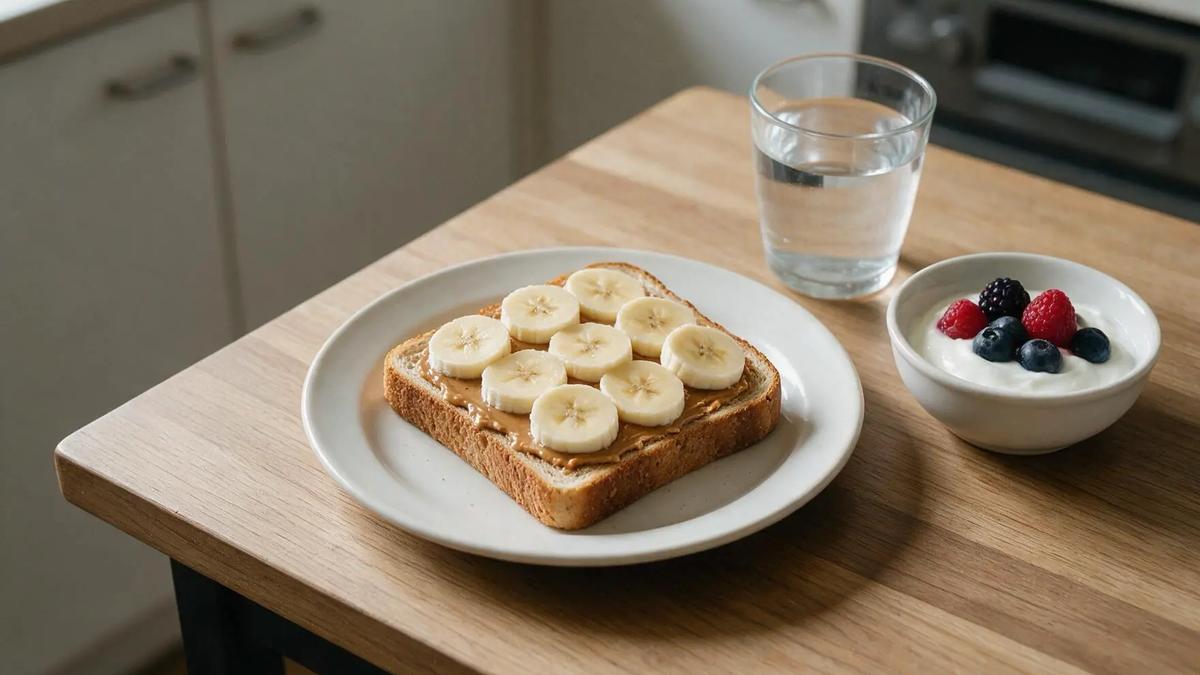
- Whole-grain toast with eggs and a side of fresh fruit.
- Oatmeal topped with berries and a small handful of nuts.
- Turkey sandwich on whole-grain bread with a piece of fruit.
- Sweet potato with grilled fish or lean beef.
These meals provide an excellent balance of carbohydrates for energy, protein for muscle support, and essential vitamins and minerals to prepare your body for exercise.
30 to 60 Minutes Before: A Light Pre-Workout Snack
If you're short on time or training early in the morning, a light pre workout snack is often the better choice. During this shorter time frame, the goal is to provide quick, easily digestible energy without overloading the digestive system.
Choose foods that are rich in fast-digesting carbohydrates while keeping fat and fiber relatively low, as both nutrients slow digestion and may increase the risk of bloating or stomach discomfort during exercise.
Adding a small amount of protein can also help support muscle maintenance if tolerated well.
Examples include:
- A banana or an apple.
- A small serving of Greek yogurt.
- A slice of white toast with a thin layer of honey.
- Rice cakes with a small amount of jam.
- A small fruit smoothie made with low-fat milk or yogurt.
These lighter options provide readily available glucose to help fuel your workout while remaining easy on the stomach, making them ideal before morning training sessions, cardio workouts, or lunchtime gym visits.
What Are the Most Common Pre-Workout Nutrition Mistakes?
Many people know what to eat before a workout, but small mistakes in meal timing, portion size, or hydration can still reduce performance. Fortunately, these errors are easy to avoid once you understand how your body uses food before exercise.
Here are three of the most common mistakes:
Eating too much:
One of the biggest pre-workout mistakes is eating a very large meal immediately before training.
Digesting a heavy meal requires increased blood flow to the stomach and intestines. At the same time, exercising muscles also demand large amounts of blood and oxygen. When these two processes compete, you may experience sluggishness, bloating, nausea, or stomach cramps, particularly during the first 15–20 minutes of your workout.
Instead of eating a large meal shortly before exercise, allow enough digestion time or choose a smaller pre workout snack if your workout is approaching.
Remember: eating more doesn't necessarily mean you'll perform better. Proper timing is just as important as food quality.
Trying new foods on big days:
Race day, competition day, or a personal record attempt is never the right time to experiment with unfamiliar foods.
Every person responds differently to different foods, and even healthy meals can cause digestive discomfort if your body isn't accustomed to them. Unexpected bloating, stomach cramps, or nausea can significantly affect your performance during an important training session.
The best pre workout meal is usually one that you've already tested successfully several times during normal training. Save experimentation for lower-intensity sessions so you know exactly how your body responds before an important event.
Neglecting hydration:
Even the perfect pre workout meal cannot compensate for poor hydration.
Water plays an essential role in regulating body temperature, transporting nutrients, maintaining blood volume, and supporting muscle contractions. Even mild dehydration can reduce endurance, strength, concentration, and overall exercise performance.
Rather than drinking a large amount of water immediately before your workout, aim to stay well hydrated throughout the entire day. Drinking fluids consistently before exercise allows your body to begin training already hydrated, helping you perform at your best.
If you're completing long or intense workouts in hot environments, replacing electrolytes lost through sweat may also support performance and recovery.
How Does Nutrition Integrate with Professional Training?
Nutrition and exercise should always work together. Knowing what to eat before a workout is valuable, but your nutrition strategy becomes even more effective when it's matched to the type, duration, and intensity of your training.
For example, a long endurance run requires a different fueling strategy than a heavy strength-training session or a high-intensity interval workout. Athletes training for muscle gain, fat loss, athletic performance, or general health all have different nutritional needs before exercise.
That's why personalized guidance often produces better results than following generic nutrition advice.
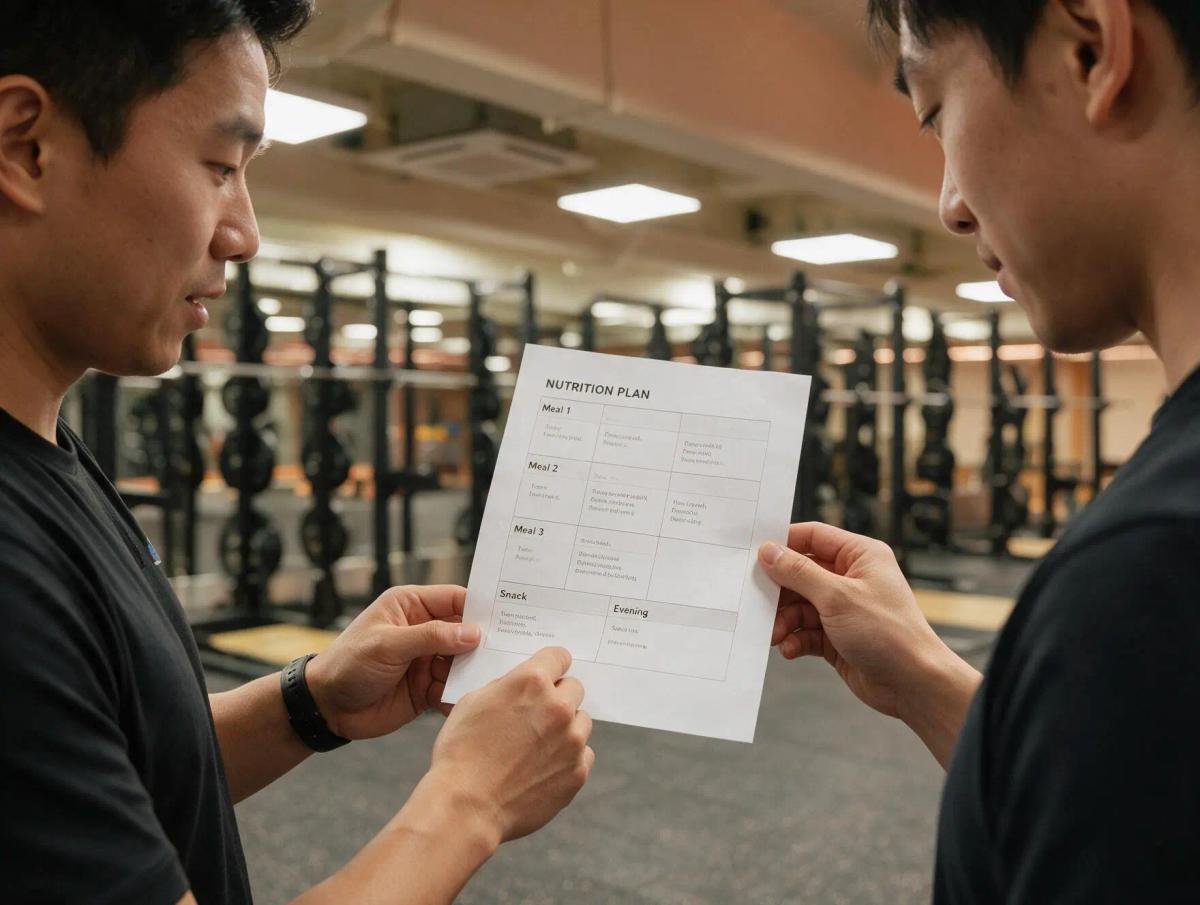
To put these personalized principles into practice, BeFit wellness services offer access to qualified nutrition professionals who develop individualized plans based on your body composition goals, training schedule, dietary preferences, and digestive tolerance. Combined with BeFit personal training, these nutrition strategies are integrated directly into your workout program, ensuring your pre exercise food supports the specific demands of every training session.
When nutrition and training are planned together, you'll have more energy during workouts, recover more efficiently, and make more consistent long-term progress toward your fitness goals.
Frequently Asked Questions About Pre-Workout Food
Should I eat if I am working out early in the morning?
It depends on both the intensity and duration of your workout.
If you're planning light activity such as walking, stretching, yoga, or mobility exercises, many people can comfortably exercise in a fasted state without noticing a significant reduction in performance.
However, if your workout includes heavy resistance training, HIIT, functional fitness, or endurance exercise, eating a small pre workout snack beforehand is generally recommended. Consuming fast-digesting carbohydrates before training helps maintain blood glucose levels, supports energy production, and reduces the likelihood of dizziness or early fatigue.
Simple options such as a banana, a slice of toast with honey, or a small serving of fruit eaten 15–30 minutes before training usually provide enough readily available energy without causing digestive discomfort.
Can I just use a pre-workout supplement instead of food?
No. Although pre-workout supplements can improve alertness and focus, they should never replace a balanced pre workout meal.
Most pre-workout supplements contain ingredients such as caffeine, beta-alanine, citrulline, or other compounds that may temporarily enhance performance. However, they provide little or no carbohydrate energy or high-quality protein, the nutrients your muscles actually need to perform and recover.
Whole foods supply glucose to replenish glycogen stores, amino acids to support muscle protein synthesis, vitamins, minerals, fiber, and many other nutrients that supplements simply cannot replace.
Think of supplements as optional performance enhancers, not primary fuel sources. For most people, real food should always provide the foundation of their pre-workout nutrition.
Is fruit a good pre-workout snack?
Yes. Fruit is one of the simplest and most convenient pre workout snack options available.
Fruits such as bananas, oranges, pineapples, grapes, and apples contain natural carbohydrates that are digested relatively quickly, providing readily available energy for exercise. They're also rich in vitamins, antioxidants, water, and important minerals that support overall health and athletic performance.
Bananas are particularly popular because they combine fast-digesting carbohydrates with potassium, an essential electrolyte involved in normal muscle contraction, nerve function, and fluid balance.
For even better results, fruit can be paired with a small amount of protein—such as Greek yogurt or a protein shake—when you have enough time before your workout. This combination provides both immediate energy and additional amino acids to support muscle recovery throughout your training session.