Can Strength Training Help with Weight Loss?
The answer is yes. In fact, strength training for weight loss is one of the most effective long-term strategies for reducing body fat while preserving the lean muscle that keeps your metabolism healthy. Unlike approaches that rely solely on cardio or severe calorie restriction, lifting weights helps your body lose fat without sacrificing the muscle that gives your physique shape, strength, and athletic performance.
Many people associate weight loss with spending hours on a treadmill, but the real goal shouldn't simply be to weigh less it should be to improve your body composition, meaning reducing body fat while maintaining or even building lean muscle. This is where weight training for weight loss has a significant advantage.
To achieve the best results, combine a structured strength-training program with a moderate calorie deficit, adequate protein intake, quality sleep, and consistent recovery. This guide explains the science behind strength workouts for weight loss and provides practical strategies to help you burn fat, preserve muscle, and create sustainable results that last.
Why Lift Weights When Your Goal Is Weight Loss?
When you reduce your calorie intake to lose weight, your body looks for stored energy to make up the difference. Unfortunately, it doesn't naturally distinguish between body fat and muscle tissue without the right training stimulus, both can be broken down to meet your energy needs.
This is where strength training for fat loss becomes essential.
Every time you lift weights, you send a powerful signal to your body that your muscles are still needed. In response, your body works harder to preserve lean muscle tissue while relying more heavily on stored body fat to supply the energy required during a calorie deficit.
Maintaining muscle during weight loss provides several important benefits:
- It keeps your metabolism higher as you lose weight.
- It helps maintain strength and physical performance.
- It creates a firmer, leaner appearance as body fat decreases.
- It reduces the likelihood of regaining weight after a diet.
Rather than simply becoming "lighter," you'll build a stronger, healthier body that performs better both inside and outside the gym.
The Metabolic Edge of Lean Muscle
Think of muscle as an active engine that continuously burns energy even when you're resting. Every kilogram of lean muscle you preserve or build contributes to your Basal Metabolic Rate (BMR), which represents the number of calories your body requires each day to maintain essential functions such as breathing, circulation, and cell repair.
While muscle doesn't burn hundreds of extra calories each day on its own, maintaining more lean tissue helps support a healthier metabolism over time, especially during prolonged weight-loss phases.
Another advantage of strength workouts for weight loss is the Excess Post-Exercise Oxygen Consumption (EPOC) effect, often referred to as the "afterburn effect." After an intense resistance-training session, your body continues consuming additional oxygen while restoring muscle tissue, replenishing energy stores, and returning to its normal physiological state.
This recovery process slightly elevates calorie expenditure for several hours and sometimes up to 24–48 hours depending on workout intensity. Although the afterburn effect alone won't drive dramatic fat loss, when combined with regular training, proper nutrition, and consistent recovery, it contributes to greater overall energy expenditure throughout the week.
In simple terms, cardio primarily burns calories during the workout, while strength training continues supporting recovery and metabolic activity long after you've left the gym.
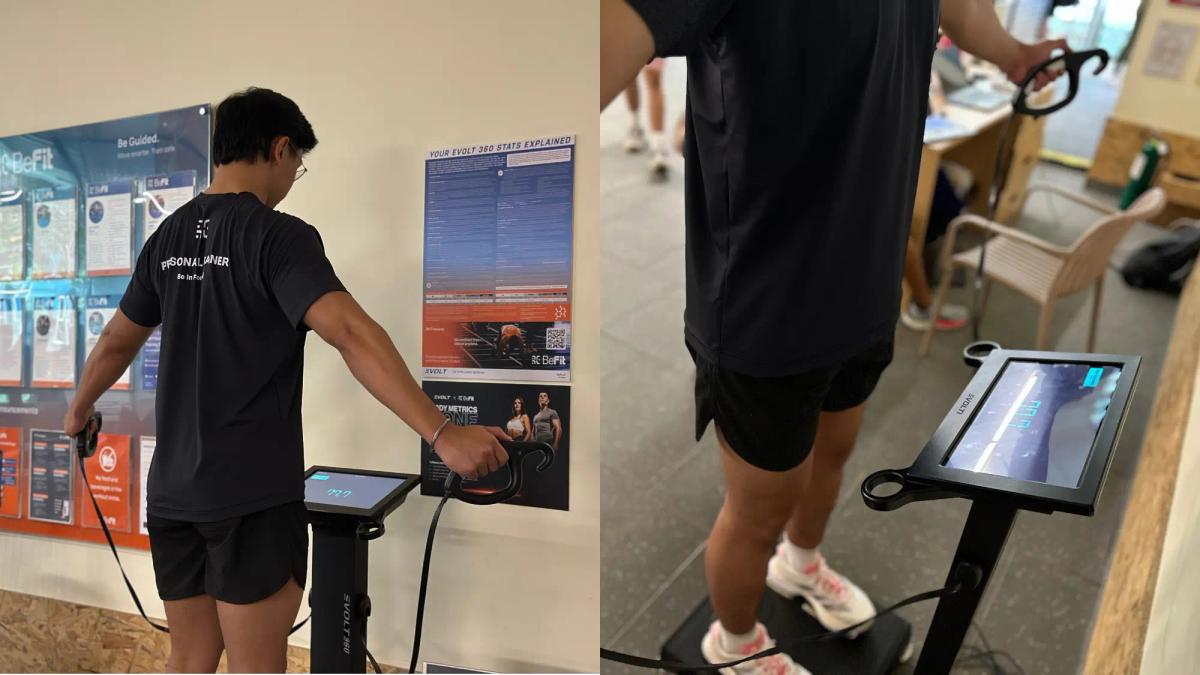
One of the biggest mistakes people make during a weight-loss journey is focusing exclusively on the number displayed on the scale.
Traditional dieting combined with excessive cardio often leads to rapid weight loss, but part of that loss may come from muscle tissue instead of body fat. This can result in what's commonly known as a "skinny fat" appearance—lighter body weight but relatively high body fat and low muscle definition.
Strength training for weight loss shifts the focus from simply losing kilograms to improving body composition.
Body composition refers to the proportion of fat mass and lean muscle mass within your body. By preserving muscle while reducing fat, you'll experience benefits that extend beyond what the scale can measure, including:
- A smaller waistline.
- Improved muscle definition.
- Better posture.
- Greater strength and functional fitness.
- Higher daily energy expenditure.
- Improved confidence and physical performance.
It's common for your weight to change slowly while your clothes fit better, measurements decrease, and your physique becomes noticeably leaner. For this reason, progress photos, body measurements, and body composition assessments are often much more valuable than relying on scale weight alone.
How to Structure the Best Workout Split for Fat Loss
The best strength training for weight loss program isn't the one that leaves you exhausted every day, it's the one you can perform consistently for months.
An effective training split should provide enough volume to stimulate every major muscle group while allowing adequate recovery between sessions. Recovery is when muscles repair, adapt, and become stronger, making it just as important as the workout itself.
The two most effective training splits for most gym members are the 3-Day Full-Body Split and the 4-Day Upper/Lower Split.
Quick Comparison: Which Workout Split Suits You?
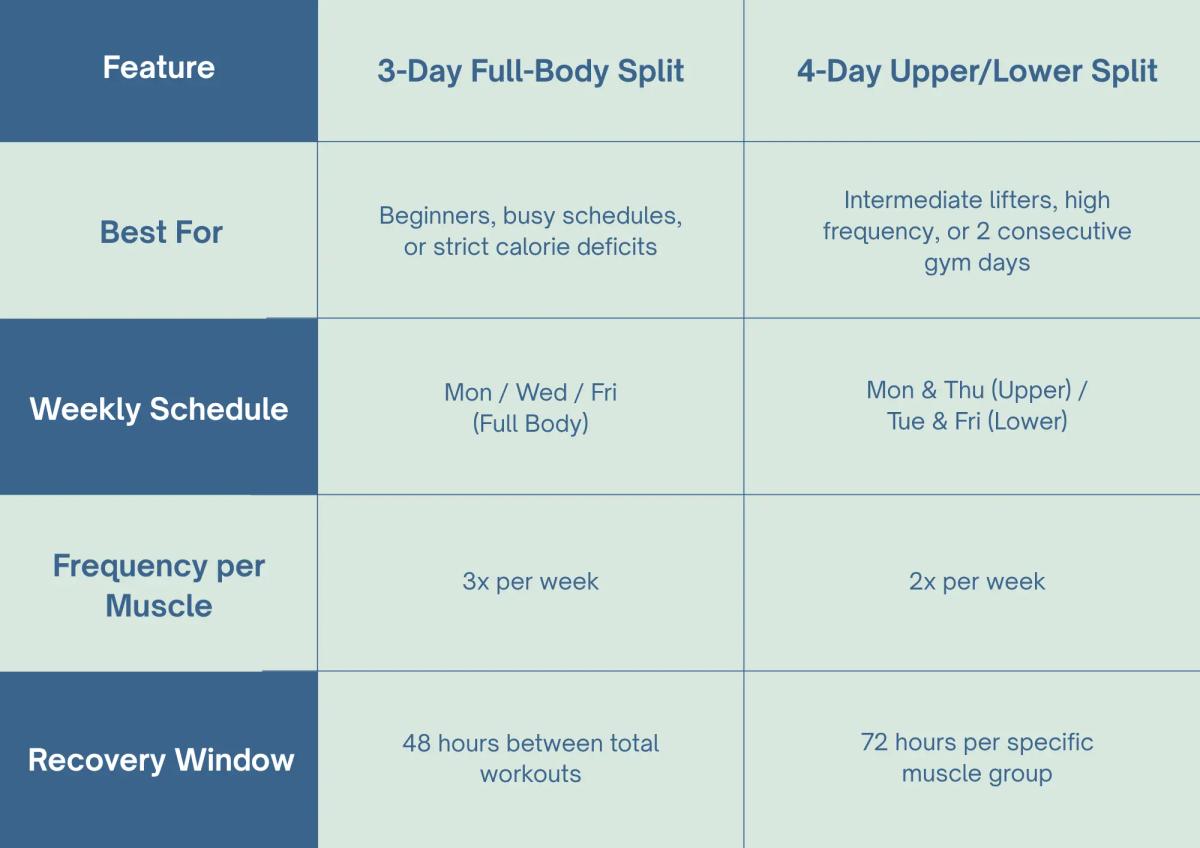
Both training splits are highly effective. The best choice depends on your schedule, recovery ability, and consistency rather than which program is "better."
The 3-Day Full-Body Split
For beginners and intermediate lifters, the 3-day full-body routine is one of the most efficient approaches to weight training for weight loss. Training every major muscle group three times each week provides frequent stimulation while allowing plenty of recovery between workouts.
Monday (Full Body A)
- Squat variations
- Upper-body pushing exercises
- Horizontal pulling exercises (rows)
- Core stability work
Wednesday (Full Body B)
- Hip hinge movements (deadlifts or Romanian deadlifts)
- Vertical pulling exercises
- Overhead pressing
- Posterior chain strengthening
Friday (Full Body C)
- Lunges or split squats
- Horizontal pressing exercises (bench press or push-ups)
- Vertical pulling (lat pulldowns or pull-ups)
- Core and conditioning finishers
This approach allows every major muscle group to be trained frequently without excessive workout duration, making it ideal for sustainable fat loss.
The 4-Day Upper/Lower Split
If you enjoy spending more time in the gym or prefer slightly shorter but more frequent workouts, the Upper/Lower split offers an excellent balance between training volume and recovery.
Monday & Thursday – Upper Body
Focus on:
- Chest
- Back
- Shoulders
- Biceps
- Triceps
Tuesday & Friday – Lower Body
Focus on:
- Quadriceps
- Glutes
- Hamstrings
- Calves
- Core stability
Training each muscle group twice per week provides enough volume to maintain strength and muscle mass while allowing 48–72 hours of recovery before the next session.
Once you choose your weekly schedule, check out our guide on the best exercises at the gym to lose weight to pick the most effective movements for your routine. If you want personalized form guidance or tailored programming, working with a BeFit Personal Trainer can help fast-track your results safely.

The Rules of Strength Training for Weight Loss
Building an effective strength training for weight loss program doesn't require complicated workout methods or endless hours in the gym. In fact, some of the biggest misconceptions about fat loss come from outdated advice suggesting that lifting light weights for extremely high repetitions is the best way to "tone" muscles.
The truth is that successful strength training for fat loss is built on a few simple principles that help preserve lean muscle, improve performance, and maximize long-term results.
Rule 1: Focus on Progress, Not Just Getting Tired
One of the most important principles in resistance training is progressive overload. This simply means asking your muscles to do slightly more over time whether by increasing the weight, performing an extra repetition, improving technique, or completing additional training volume.
When your goal is fat loss, maintaining or improving strength is one of the strongest indicators that you're preserving valuable muscle tissue.
Aim to select weights that challenge you within approximately 8–12 repetitions while maintaining proper technique. Every small improvement is evidence that your body continues adapting, even while you're eating in a calorie deficit.
Rule 2: Keep an Eye on Your Rest Timer
Rest periods play an important role in balancing strength, performance, and calorie expenditure.
For most strength workouts for weight loss, resting 60–90 seconds between sets allows enough recovery to maintain good lifting performance while keeping the overall workout moving.
Shorter rest periods also help maintain an elevated heart rate throughout the session, increasing training density without sacrificing exercise quality.
Remember that quality always comes first. If you need slightly longer recovery after heavy compound lifts, it's perfectly acceptable to extend your rest rather than rushing into the next set with poor technique.
Rule 3: Stick to Your Routine
One of the biggest mistakes many people make is constantly changing exercises every week in an attempt to "shock" or "confuse" their muscles.
Real progress comes from consistency not constant variety.
Choose a structured training program and follow it for 6–8 weeks, allowing enough time to improve technique, increase strength, and monitor measurable progress.
Keeping your core exercises consistent makes it much easier to track improvements and gradually apply progressive overload, both of which are essential for preserving muscle while losing body fat.
How to Balance Lifting with Your Calorie Deficit
Think of strength training for weight loss as the blueprint that reshapes your body, while your nutrition determines whether you actually lose body fat. Both work together: lifting weights tells your body to preserve muscle, while a moderate calorie deficit encourages it to use stored fat as its primary energy source.
The goal isn't to eat as little as possible. An aggressive calorie deficit can increase fatigue, reduce workout performance, slow recovery, and make it more difficult to maintain lean muscle mass. Instead, aim for a sustainable approach by combining consistent weight training for weight loss with balanced nutrition, adequate protein, proper hydration, and quality recovery.
When training and nutrition are aligned, you'll not only lose weight but also improve your body composition, strength, and overall health, creating results that are much easier to maintain over the long term.
How Protein Preserves Muscle in a Calorie Deficit
When you're eating fewer calories than your body burns, protein becomes one of the most important nutrients for protecting lean muscle tissue.
Without adequate protein intake, your body is more likely to break down muscle for energy alongside stored body fat. By consuming enough high-quality protein each day, you provide your muscles with the amino acids required for repair, recovery, and maintenance, even while losing weight.
For most people following strength training for fat loss, the recommended intake is approximately 1.6 to 2.2 grams of protein per kilogram of body weight per day, while maintaining a moderate calorie deficit of roughly 300–500 calories below maintenance.
For example:
- A 60 kg individual should aim for approximately 96–132 g of protein daily.
- A 75 kg individual should consume approximately 120–165 g per day.
- A 90 kg individual should target approximately 144–198 g per day.
Good protein sources include lean chicken, fish, eggs, Greek yogurt, tofu, lean beef, legumes, dairy products, and quality protein supplements when needed.
In addition to supporting muscle preservation, higher-protein diets also help increase satiety, making it easier to manage hunger and remain consistent with your calorie deficit over time.
Why Sleep and Recovery Matter for Fat Loss
Many people focus exclusively on workouts and nutrition while overlooking one of the most powerful recovery tools available: SLEEP.
Training hard while eating fewer calories places additional stress on your muscles, nervous system, and recovery capacity. During sleep, your body repairs damaged muscle tissue, restores energy stores, regulates hormones, and prepares you for your next workout.
Aim for 7–9 hours of quality sleep each night to support optimal recovery and athletic performance.
Consistently poor sleep can negatively affect several factors involved in successful fat loss, including:
- Reduced workout performance and strength.
- Slower muscle recovery.
- Increased fatigue and soreness.
- Higher cortisol (stress hormone) levels.
- Increased hunger and cravings.
- Reduced motivation to exercise.
Recovery also extends beyond sleep. Scheduling regular rest days, managing overall training volume, staying hydrated, and incorporating mobility work all help your body recover more efficiently between workouts.
Remember, your muscles don't grow stronger during the workout, they adapt and recover afterward. Prioritizing recovery allows you to train consistently, which is the true key to long-term fat loss success.
Frequently Asked Questions About Lifting for Fat Loss
Will strength training make me look bulky?
No. One of the biggest myths surrounding strength training for weight loss is that lifting weights automatically creates a large, bulky physique.
Building significant muscle size requires years of progressive training, high training volumes, excellent recovery, and most importantly, a sustained calorie surplus where you consistently consume more calories than you burn.
When your goal is fat loss, you're intentionally eating in a calorie deficit. Under these conditions, your body focuses on preserving existing muscle while reducing body fat rather than building excessive muscle mass.
Instead of looking bulky, most people who combine weight training for weight loss with proper nutrition develop a physique that is:
- Leaner.
- Firmer.
- More athletic.
- Better defined.
- Stronger and more functional.
This applies to both men and women. Lifting weights helps create muscle definition—not unnecessary bulk.
Should I lift weights before or after cardio?
For most people, it's best to perform your strength workouts for weight loss before cardio.
Resistance training requires high levels of concentration, coordination, and muscular power. Starting your workout with heavy lifting allows you to perform exercises with better technique, lift heavier loads safely, and maximize the muscle-preserving benefits of your session.
Completing intense cardio beforehand may reduce muscle glycogen stores, increase fatigue, and lower your overall lifting performance, especially during compound exercises such as squats, deadlifts, and bench presses.
A practical sequence for most gym-goers is:
- Dynamic warm-up.
- Strength training.
- Cardio (if included).
- Cool-down and stretching.
The exception would be if you're specifically training for an endurance event where running or cycling performance is the primary goal. In that case, your endurance training may take priority.
How long does it take to see weight loss results from lifting?
The timeline varies depending on your nutrition, consistency, training intensity, sleep, and starting fitness level, but most people notice improvements sooner than they expect.
Within the first 2–3 weeks, you'll often experience noticeable increases in strength and confidence as your nervous system becomes more efficient at performing the exercises.
Between 4–6 weeks, many people begin seeing visible improvements in body shape, muscle definition, posture, and how their clothes fit. Energy levels and overall fitness also tend to improve significantly during this period.
After 8–12 weeks of consistent strength training for fat loss, combined with proper nutrition and recovery, the changes become much more noticeable. Body fat decreases, muscle definition improves, and overall body composition begins to transform.
It's important to remember that the bathroom scale doesn't tell the whole story. Because muscle is denser than fat, your weight may change slowly even while your waist becomes smaller, your clothes fit better, and your physique looks noticeably leaner.
For the most accurate picture of your progress, combine scale weight with body measurements, progress photos, strength improvements, and body composition assessments. These measurements provide a much clearer view of how your body is changing than the scale alone.